Login

Sign Up

After creating an account, you'll be able to track your payment status, track the confirmation and you can also rate the tour after you finished the tour.
Username*
Password*
Confirm Password*
First Name*
Last Name*
Birth Date*
Email*
Phone*
Country*
* Creating an account means you're okay with our Terms of Service and Privacy Statement.
Please agree to all the terms and conditions before proceeding to the next step

Already a member?

Login
+51 941411442 info@andesperuexpeditions.com

Login

Sign Up

After creating an account, you'll be able to track your payment status, track the confirmation and you can also rate the tour after you finished the tour.
Username*
Password*
Confirm Password*
First Name*
Last Name*
Birth Date*
Email*
Phone*
Country*
* Creating an account means you're okay with our Terms of Service and Privacy Statement.
Please agree to all the terms and conditions before proceeding to the next step

Already a member?

Login

Spectacled Bear Peru: Meet the Real Bear Behind Paddington

The Spectacled Bear of Peru: The Real-Life Inspiration Behind Paddington Bear

Hidden within the cloud forests and rugged mountains of the Andes lives one of South America’s most fascinating animals: the Spectacled Bear. Known scientifically as Tremarctos ornatus, this remarkable species is the continent’s only native bear and an important symbol of Andean biodiversity.

Many travelers visiting Peru dream of seeing llamas, alpacas, or condors. However, few realize that Peru is also home to the real-life bear that inspired one of the world’s most beloved fictional characters—Paddington Bear.

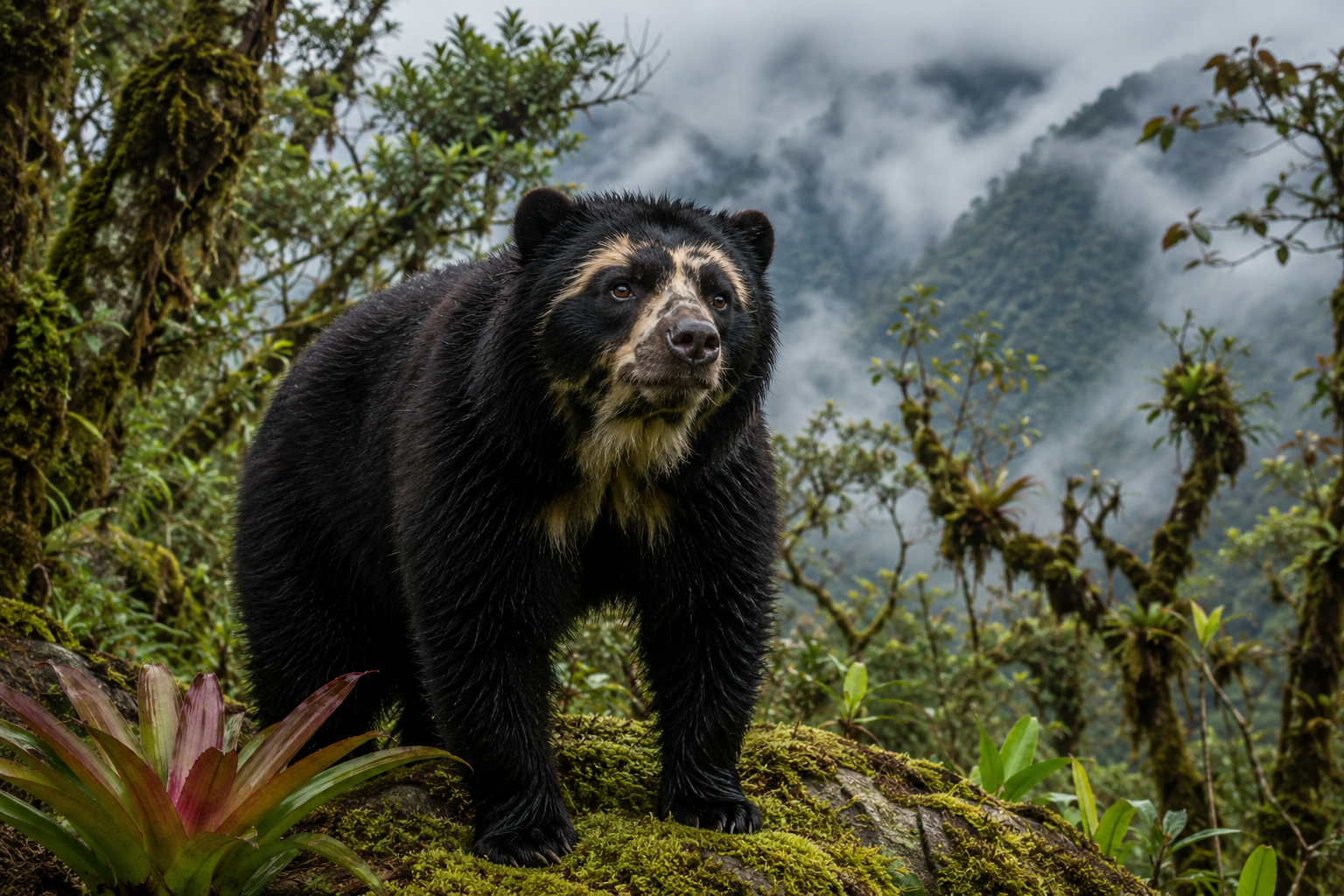
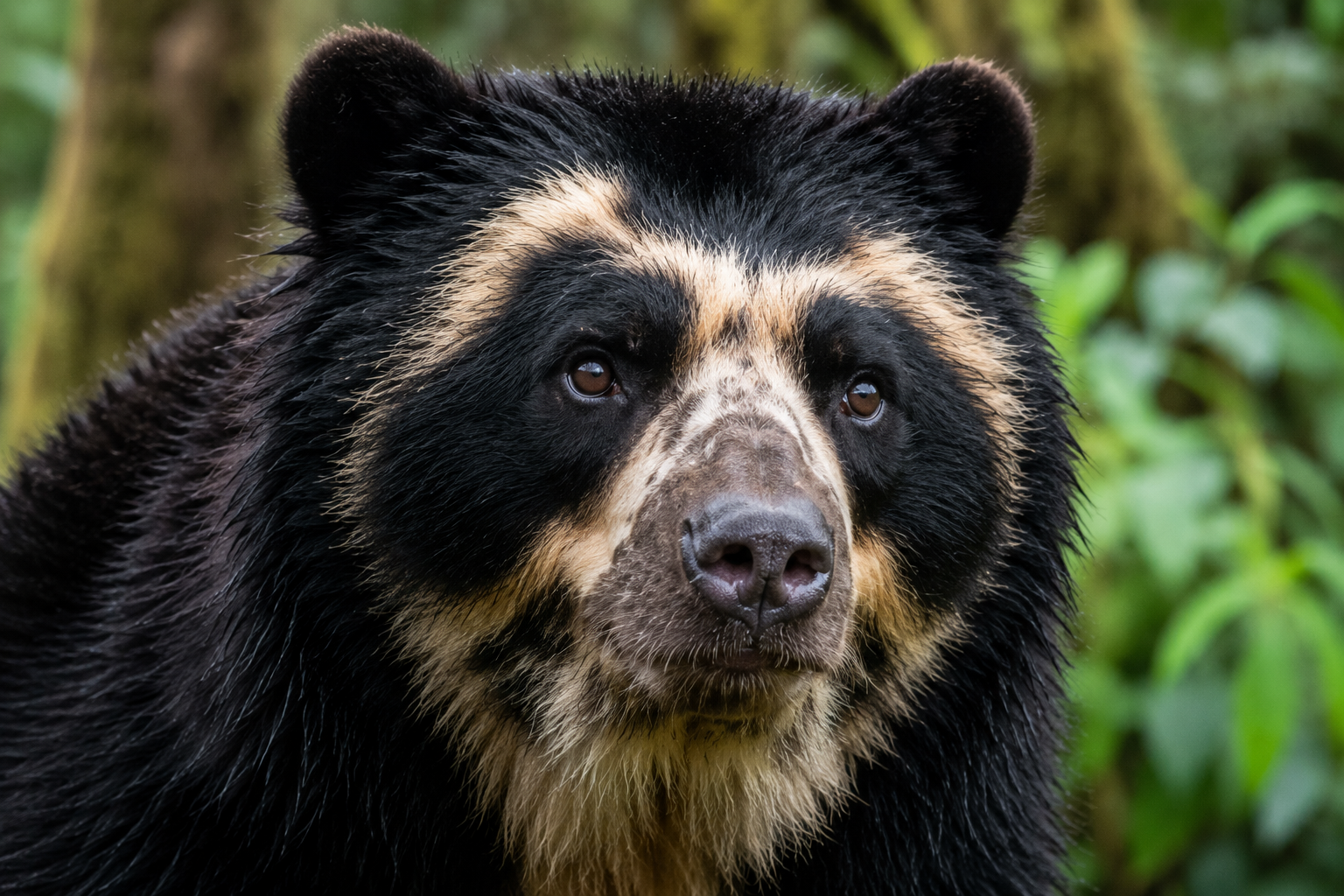
Close-up of a Spectacled Bear in Peru showing its distinctive facial markings.

What Is a Spectacled Bear?

The Spectacled Bear gets its name from the light-colored markings around its eyes, which often resemble eyeglasses or spectacles. These unique facial patterns vary from one bear to another, making each individual easily distinguishable.

Quick Facts

  • Scientific Name: Tremarctos ornatus
  • Common Names: Spectacled Bear, Andean Bear
  • Habitat: Andes Mountains and cloud forests
  • Diet: Mostly fruits, bromeliads, cacti, and plants
  • Weight: Up to 200 kg (440 lbs)
  • Conservation Status: Vulnerable

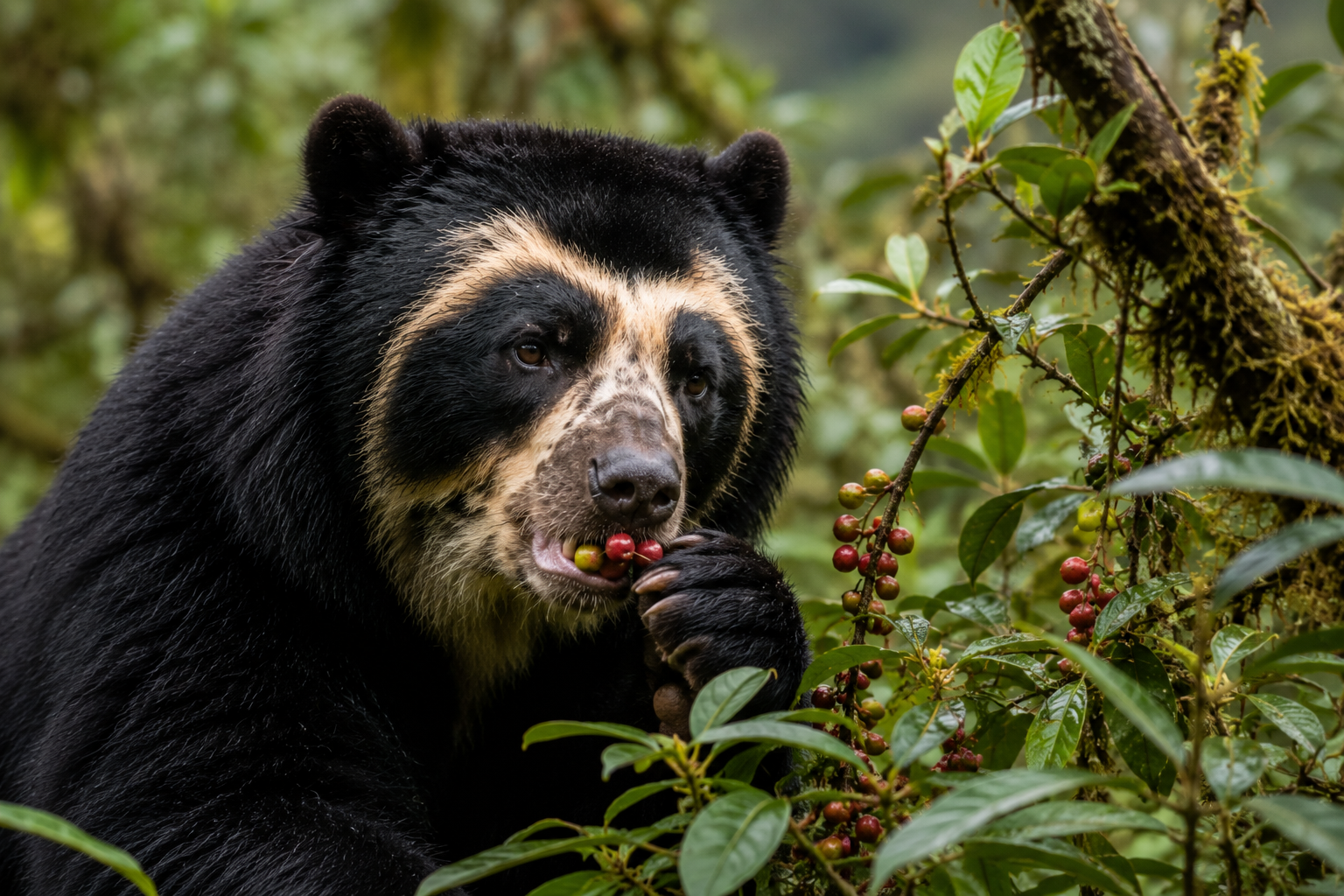
Unlike many bear species, Spectacled Bears are primarily herbivorous and spend much of their time foraging for fruits and vegetation.

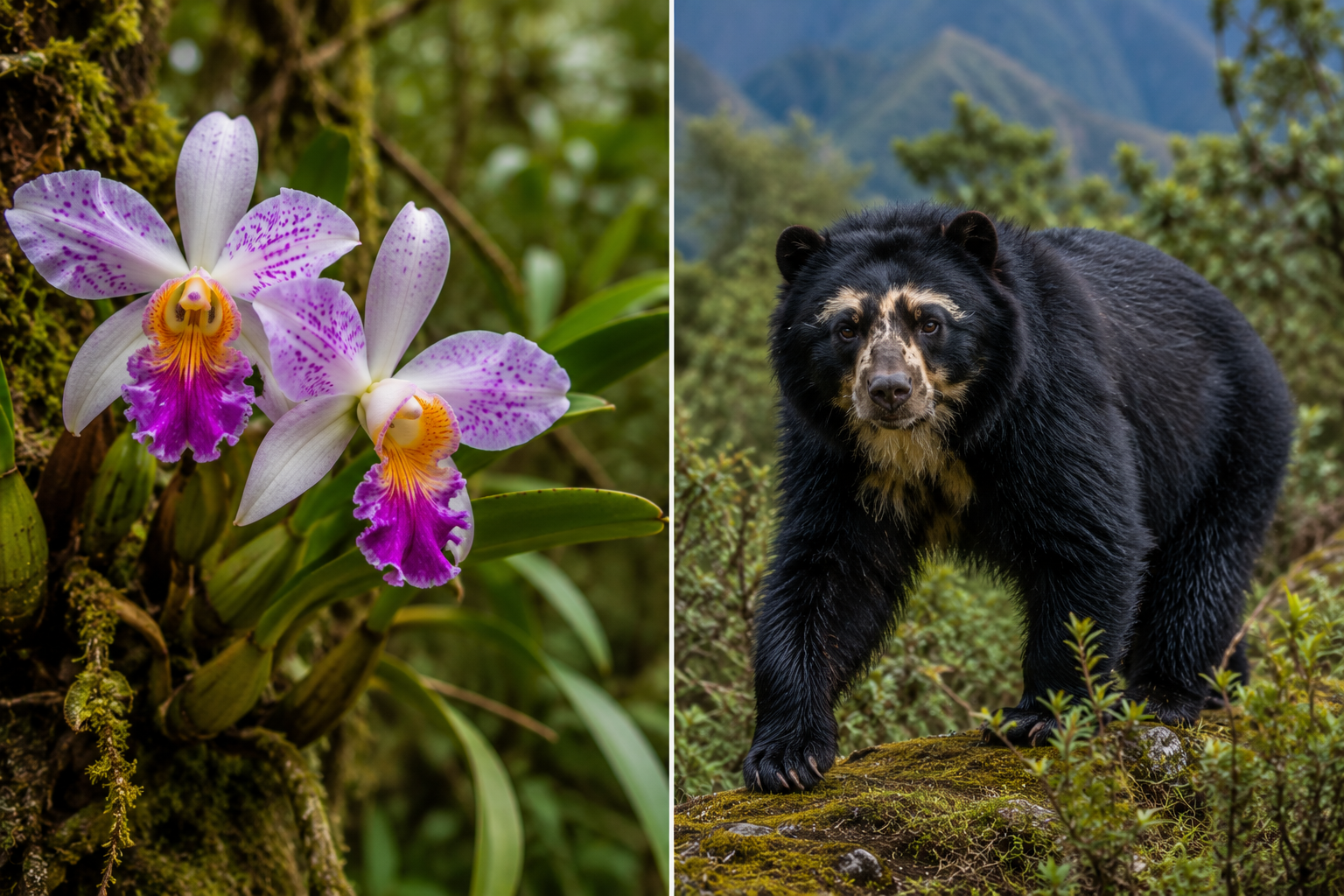
Wild Spectacled Bear in Peru surrounded by lush Andean vegetation.

Where Do Spectacled Bears Live?

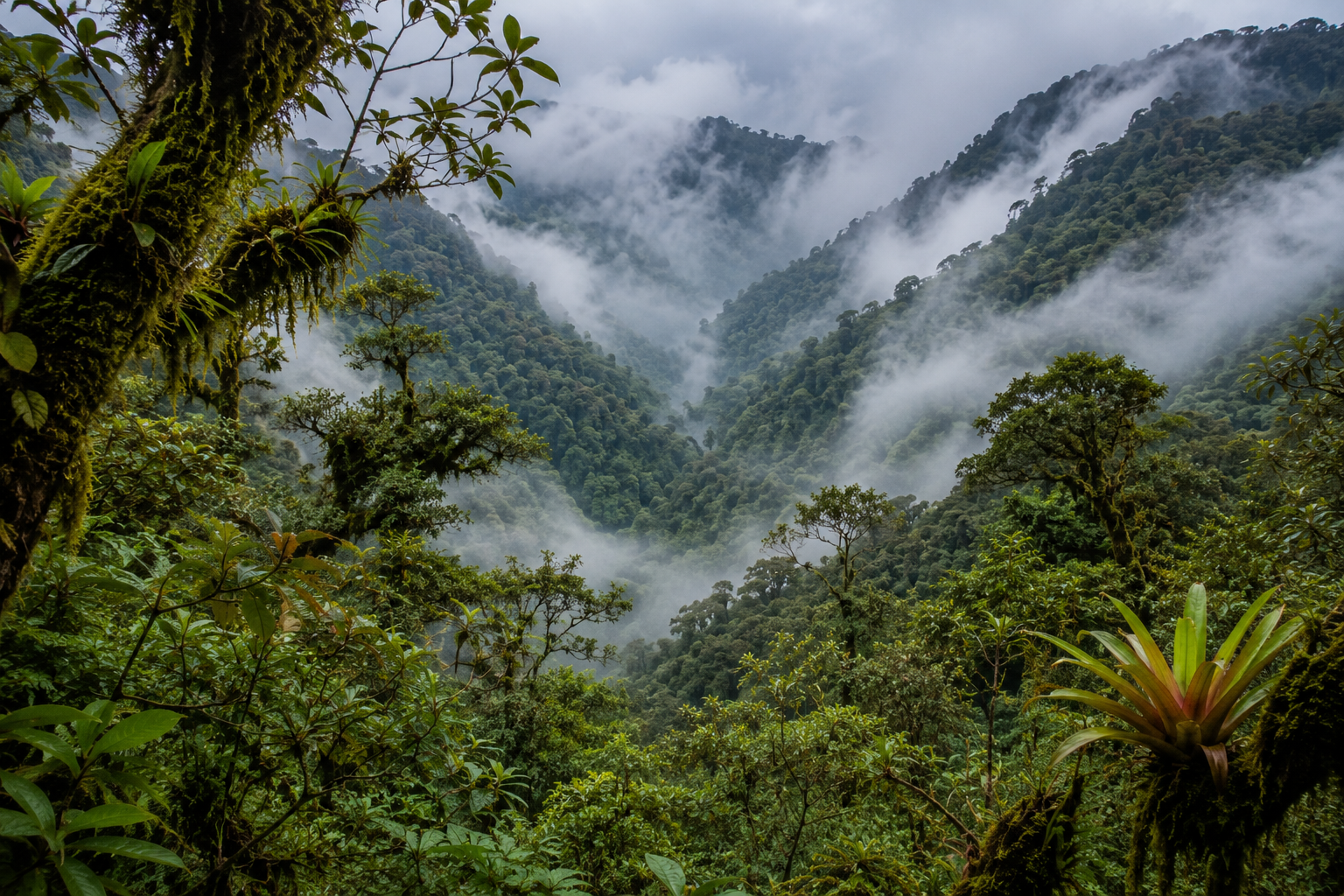
Spectacled Bears inhabit a wide range of ecosystems along the Andes Mountains, from Venezuela to Bolivia. Peru is considered one of the most important strongholds for the species.

They are commonly found in:

  • Cloud forests
  • High Andean forests
  • Mountain grasslands
  • Protected natural areas

In Peru, Spectacled Bears have been recorded in several protected regions near the Andes and the Amazon basin.

The Real Bear Behind Paddington

One of the most surprising facts about the Spectacled Bear is its connection to the famous fictional character Paddington Bear.

Paddington Bear was created by Michael Bond in 1958.

According to the story, Paddington arrived in London from “darkest Peru” carrying a suitcase, a marmalade sandwich, and a tag that read:

“Please look after this bear. Thank you.”

Although the books never explicitly identified his species, later adaptations and official materials confirmed that Paddington is a Spectacled Bear from Peru.

This connection has introduced millions of people worldwide to Peru and its unique wildlife.

Spectacled Bear exploring the cloud forests of Peru

Why Spectacled Bears Are Important

Spectacled Bears play a crucial role in maintaining healthy ecosystems.

As they move through forests searching for food, they help disperse seeds over large distances. This natural process contributes to forest regeneration and biodiversity conservation.

Because of this ecological role, scientists often refer to the Spectacled Bear as an “umbrella species.” Protecting bear habitat also protects countless other plants and animals living in the same ecosystem.

Spectacled Bear spotted in the Peruvian Andes during a wildlife adventure.

Threats Facing Spectacled Bears

Despite their importance, Spectacled Bears face several conservation challenges.

Habitat Loss

Deforestation and agricultural expansion continue to reduce available habitat.

Human-Wildlife Conflict

Occasionally, bears enter farming areas in search of food, leading to conflicts with local communities.

Climate Change

Changes in temperature and rainfall patterns can affect food availability and habitat quality.

Habitat Fragmentation

Roads and human development can isolate bear populations and reduce genetic diversity.

Conservation Efforts in Peru

Peru has implemented various initiatives to protect Spectacled Bears and their habitats.

These efforts include:

  • Protected natural areas.
  • Wildlife monitoring programs.
  • Environmental education.
  • Sustainable tourism initiatives.
  • Scientific research projects.

Many conservation organizations work closely with local communities to promote coexistence between people and wildlife.

Can You See a Spectacled Bear During a Trek?

Spectacled Bears are naturally shy and elusive animals.

Although sightings are rare, trekkers occasionally encounter signs of their presence in remote Andean forests, including:

  • Footprints
  • Scratches on trees
  • Feeding sites
  • Nests built in trees

Areas surrounding the cloud forests of the Andes provide some of the best habitat for these fascinating bears.

However, observing one in the wild requires patience, luck, and respect for nature.

Interesting Facts About Spectacled Bears

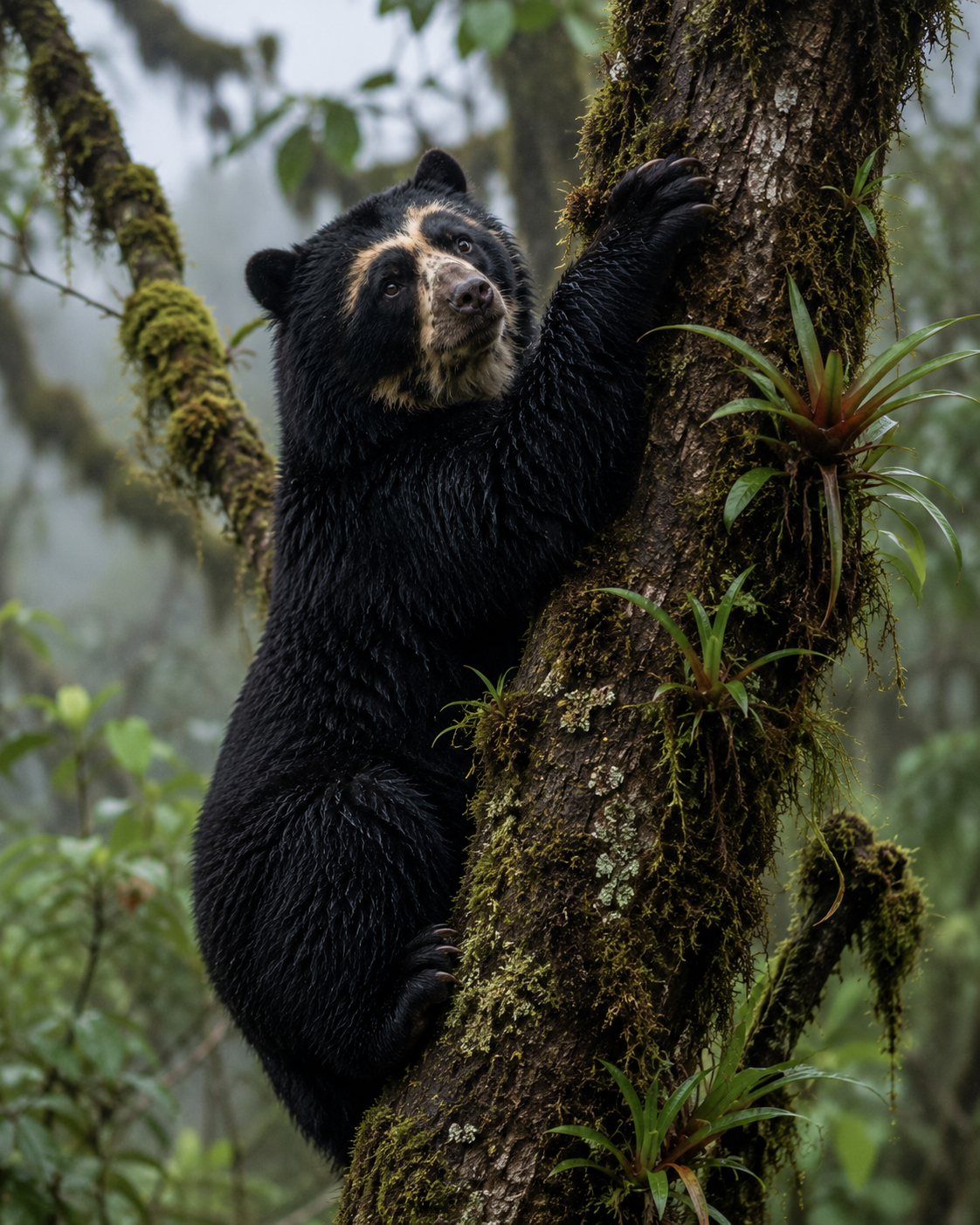
They Can Climb Trees

Unlike many large bear species, Spectacled Bears are excellent climbers and often build feeding platforms high in trees.

They Are Mostly Vegetarian

About 90% of their diet comes from plant material.

Every Bear Has Unique Markings

Their facial markings function almost like fingerprints.

They Inspired a Global Icon

Without the Spectacled Bear, the world might never have met Paddington Bear.

How Travelers Can Help Protect Spectacled Bears

Visitors can support conservation by:

Respecting wildlife habitats.
✔ Avoiding feeding wild animals.
✔ Staying on designated trails.
✔ Supporting responsible tourism operators.
✔ Learning about local conservation efforts.

Responsible tourism helps ensure that future generations can continue to enjoy Peru’s incredible biodiversity.

Leave a Reply