Login

Sign Up

After creating an account, you'll be able to track your payment status, track the confirmation and you can also rate the tour after you finished the tour.
Username*
Password*
Confirm Password*
First Name*
Last Name*
Birth Date*
Email*
Phone*
Country*
* Creating an account means you're okay with our Terms of Service and Privacy Statement.
Please agree to all the terms and conditions before proceeding to the next step

Already a member?

Login
+51 941411442 info@andesperuexpeditions.com

Login

Sign Up

After creating an account, you'll be able to track your payment status, track the confirmation and you can also rate the tour after you finished the tour.
Username*
Password*
Confirm Password*
First Name*
Last Name*
Birth Date*
Email*
Phone*
Country*
* Creating an account means you're okay with our Terms of Service and Privacy Statement.
Please agree to all the terms and conditions before proceeding to the next step

Already a member?

Login

Sustainable Inca Trail: Conservation and Responsible Tourism

How the Inca Trail is Protected: Conservation and Sustainable Tourism on the Journey to Machu Picchu

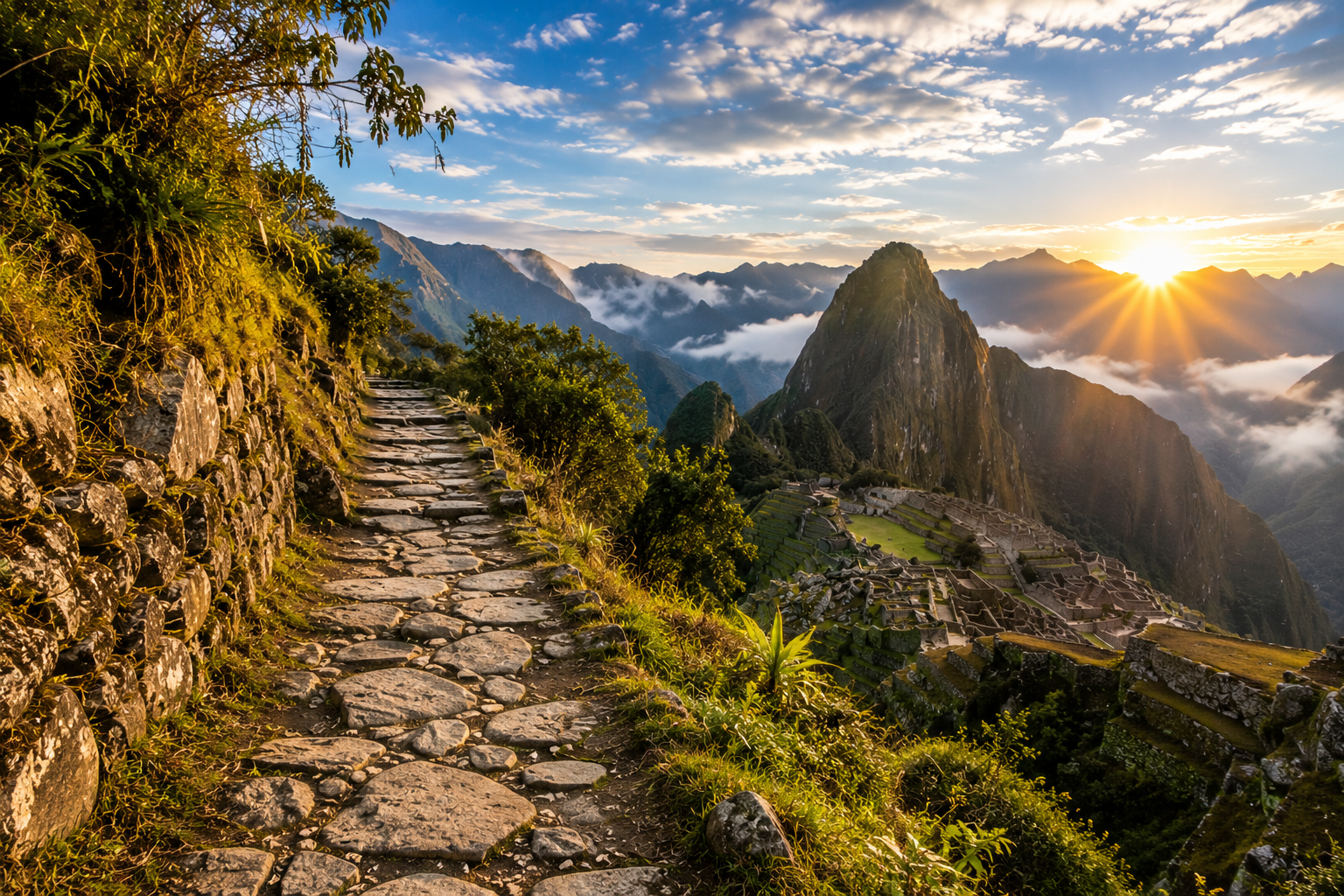
The Inca Trail to Machu Picchu is one of the world’s most remarkable trekking routes. Stretching through the breathtaking Andes Mountains of Peru, this ancient pathway connects visitors with the history, engineering, and cultural legacy of the Inca civilization. Every year, thousands of travelers from around the globe embark on this unforgettable journey to reach Machu Picchu through the iconic Sun Gate.

Because of its historical and environmental importance, protecting the Inca Trail has become a priority for Peru. Conservation efforts carried out by government institutions, local communities, licensed tour operators, and responsible travelers help preserve this unique route for future generations.

The Inca Trail: A Living Cultural and Natural Heritage

The Inca Trail is part of the protected area known as the Historic Sanctuary of Machu Picchu, a UNESCO World Heritage Site recognized for its outstanding cultural and natural value.

Along the trail, hikers encounter:

  • Ancient Inca archaeological sites.
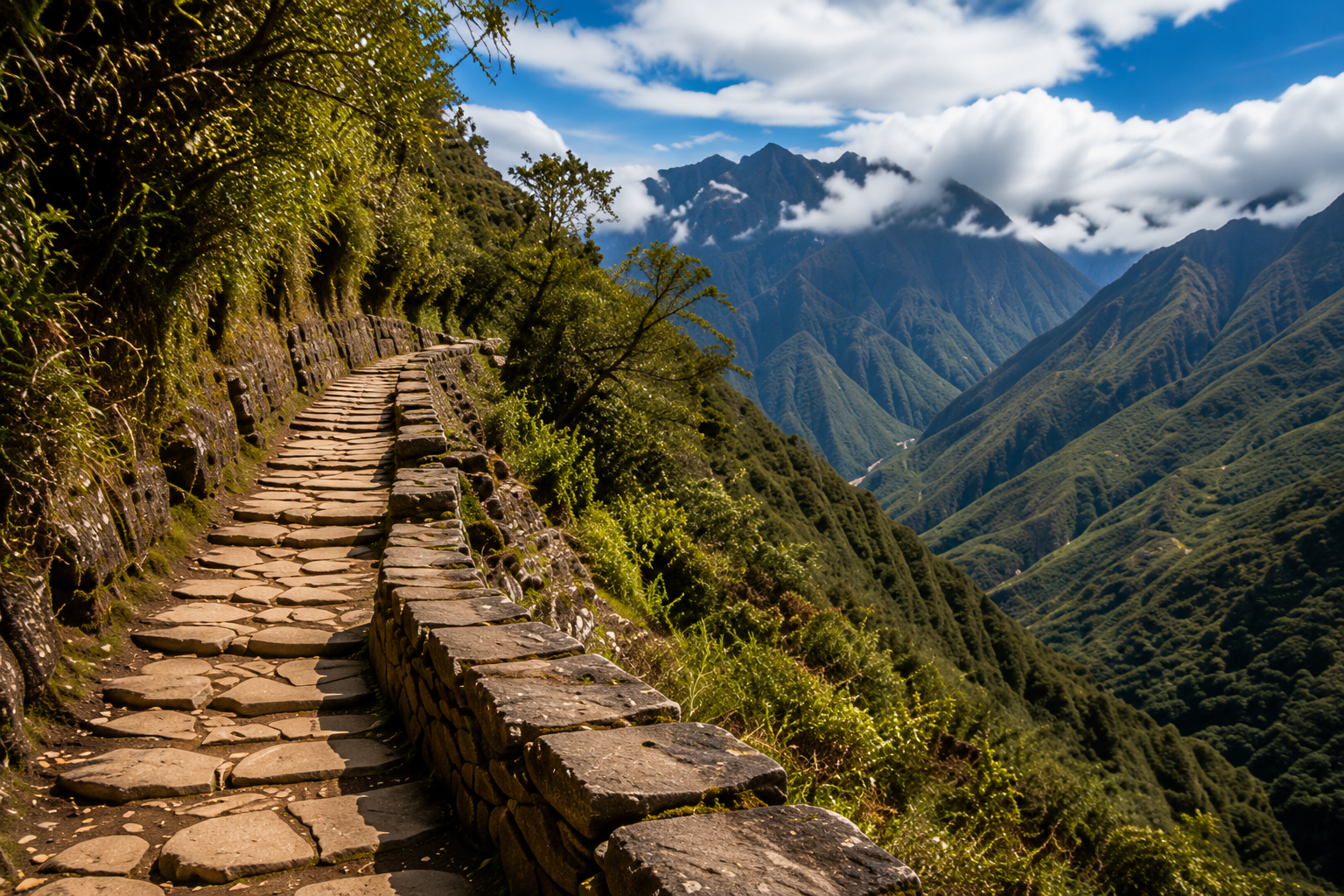
  • Original stone pathways built centuries ago.
  • High Andean mountain landscapes.
  • Cloud forests rich in biodiversity.
  • Native wildlife and unique plant species.

The route serves as both a historical monument and an ecological corridor, making its preservation essential.

Why Conservation Matters

Without proper management, popular trekking routes can suffer from erosion, waste accumulation, vegetation damage, and deterioration of archaeological structures.

Conservation efforts on the Inca Trail aim to:

  • Protect fragile ecosystems.
  • Preserve archaeological remains.
  • Reduce environmental impact.
  • Promote sustainable tourism.
  • Ensure a high-quality visitor experience.

These actions help maintain the trail’s authenticity while allowing visitors to enjoy one of Peru’s greatest treasures.

The Role of SERNANP in Protecting the Inca Trail

The SERNANP (National Service of Natural Protected Areas) plays a fundamental role in the protection of the Historic Sanctuary of Machu Picchu.

Park rangers and conservation teams work throughout the year to:

  • Monitor visitor activity.
  • Protect native flora and fauna.
  • Conduct environmental education programs.
  • Prevent illegal activities within protected areas.
  • Support restoration and maintenance efforts.

These measures help safeguard the ecological and cultural integrity of the sanctuary.

Visitor Limits Help Preserve the Trail

One of the most effective conservation strategies is the limitation of daily visitors.

To minimize environmental impact, access to the Inca Trail is regulated through a permit system. Only a limited number of hikers, guides, cooks, and porters are allowed to enter each day.

This system helps:

  • Prevent overcrowding.
  • Reduce trail erosion.
  • Protect archaeological sites.
  • Improve the visitor experience.

As a result, travelers are encouraged to book their permits well in advance.

Annual Maintenance and Restoration

Every February, the Inca Trail is temporarily closed to visitors.

During this period:

  • Damaged sections of the trail are repaired.
  • Drainage systems are maintained.
  • Archaeological structures are inspected.
  • Environmental recovery efforts take place.

This annual closure allows conservation specialists to preserve the original Inca infrastructure while ensuring visitor safety.

Biodiversity Along the Inca Trail

The Inca Trail crosses several ecological zones and is home to extraordinary biodiversity.

Visitors may encounter:

  • Hundreds of orchid species.
  • Colorful hummingbirds.
  • Spectacled bears.
  • Andean foxes.
  • Native trees and cloud forest vegetation.

Protecting these habitats is an important part of conservation efforts within the Historic Sanctuary of Machu Picchu.

The Importance of Responsible Tourism

Sustainable tourism allows travelers to enjoy the Inca Trail while minimizing their environmental footprint.

Responsible travelers should:

Stay on Designated Trails

Walking outside marked pathways can damage vegetation and accelerate erosion.

Avoid Littering

All waste should be properly disposed of according to park regulations.

Respect Archaeological Sites

Ancient structures should never be climbed on, touched unnecessarily, or altered.

Use Reusable Items

Reusable water bottles and containers help reduce plastic waste along the route.

Follow Guide Instructions

Licensed guides provide valuable information about safety, conservation, and cultural heritage.

Local Communities and Sustainable Development

Tourism along the Inca Trail supports many families in the Cusco region.

Porters, guides, cooks, transportation providers, and local suppliers all contribute to the visitor experience.

By choosing licensed operators that follow sustainable tourism practices, travelers help:

  • Create local employment.
  • Preserve traditional knowledge.
  • Support rural communities.
  • Promote responsible economic development.

Sustainable tourism creates benefits not only for visitors but also for the people who help protect and maintain this historic route.

How You Can Help Protect the Inca Trail

Every visitor has the opportunity to contribute to conservation efforts.

Here are simple ways to make a positive impact:

✔ Travel with licensed tour operators.
✔ Respect park regulations.
✔ Carry reusable water bottles.
✔ Stay on designated paths.
✔ Avoid leaving any waste behind.
✔ Respect wildlife and natural habitats.
✔ Support local communities and sustainable businesses.

Small actions can make a significant difference in protecting this extraordinary destination.

A Shared Responsibility

The Inca Trail to Machu Picchu is much more than a trekking route—it is a living connection to Peru’s history, culture, and natural heritage.

Through conservation initiatives, visitor management, environmental education, and responsible tourism, future generations will continue to experience the beauty and significance of this iconic journey.

By traveling responsibly and respecting the protected environment, every visitor becomes part of the ongoing effort to preserve the Inca Trail and the Historic Sanctuary of Machu Picchu for years to come.

About Andes Peru Expeditions

At Andes Peru Expeditions, we are committed to promoting responsible tourism and environmental stewardship. We encourage all travelers to respect the regulations of the Historic Sanctuary of Machu Picchu and help preserve the Inca Trail through sustainable travel practices.

Together, we can protect one of the world’s most extraordinary cultural and natural treasures.

Leave a Reply