Login

Sign Up

After creating an account, you'll be able to track your payment status, track the confirmation and you can also rate the tour after you finished the tour.
Username*
Password*
Confirm Password*
First Name*
Last Name*
Birth Date*
Email*
Phone*
Country*
* Creating an account means you're okay with our Terms of Service and Privacy Statement.
Please agree to all the terms and conditions before proceeding to the next step

Already a member?

Login
+51 941411442 info@andesperuexpeditions.com

Login

Sign Up

After creating an account, you'll be able to track your payment status, track the confirmation and you can also rate the tour after you finished the tour.
Username*
Password*
Confirm Password*
First Name*
Last Name*
Birth Date*
Email*
Phone*
Country*
* Creating an account means you're okay with our Terms of Service and Privacy Statement.
Please agree to all the terms and conditions before proceeding to the next step

Already a member?

Login

Inca Trail Conservation: Protecting Heritage, Flora, and Fauna

Conservation of the Inca Trail Heritage: Protecting the Flora, Fauna, and Cultural Legacy of Machu Picchu

The Inca Trail to Machu Picchu is much more than a trekking route. It is a living corridor that connects ancient archaeological sites, breathtaking mountain landscapes, cloud forests, and one of the richest ecosystems in the Peruvian Andes. Recognized as part of Peru’s cultural and natural heritage, the Inca Trail requires continuous conservation efforts to ensure its protection for future generations.

Every year, thousands of visitors walk this legendary path to reach Machu Picchu. While tourism provides valuable support for local communities and conservation initiatives, it also highlights the importance of preserving the trail’s fragile ecosystems and archaeological treasures.

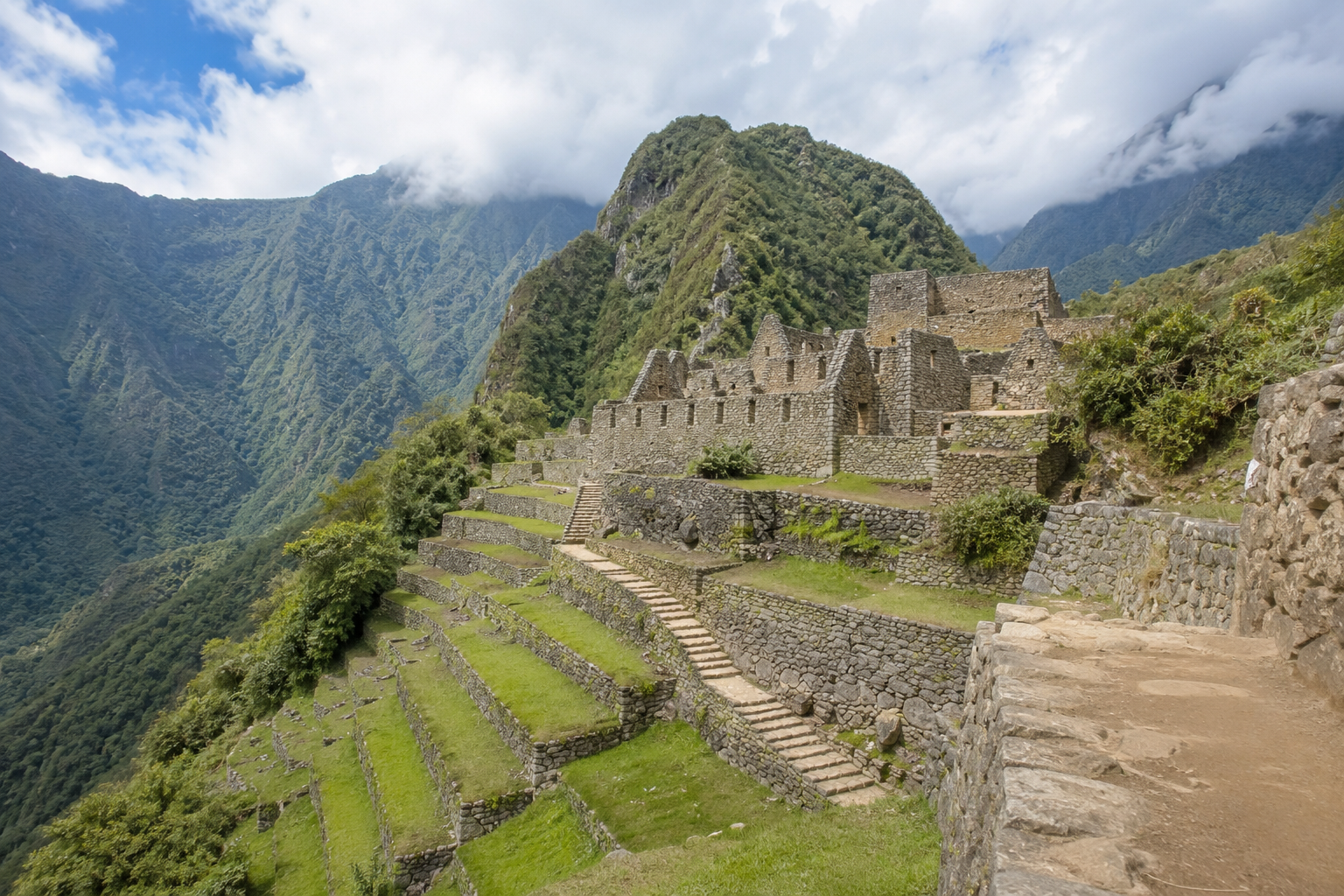
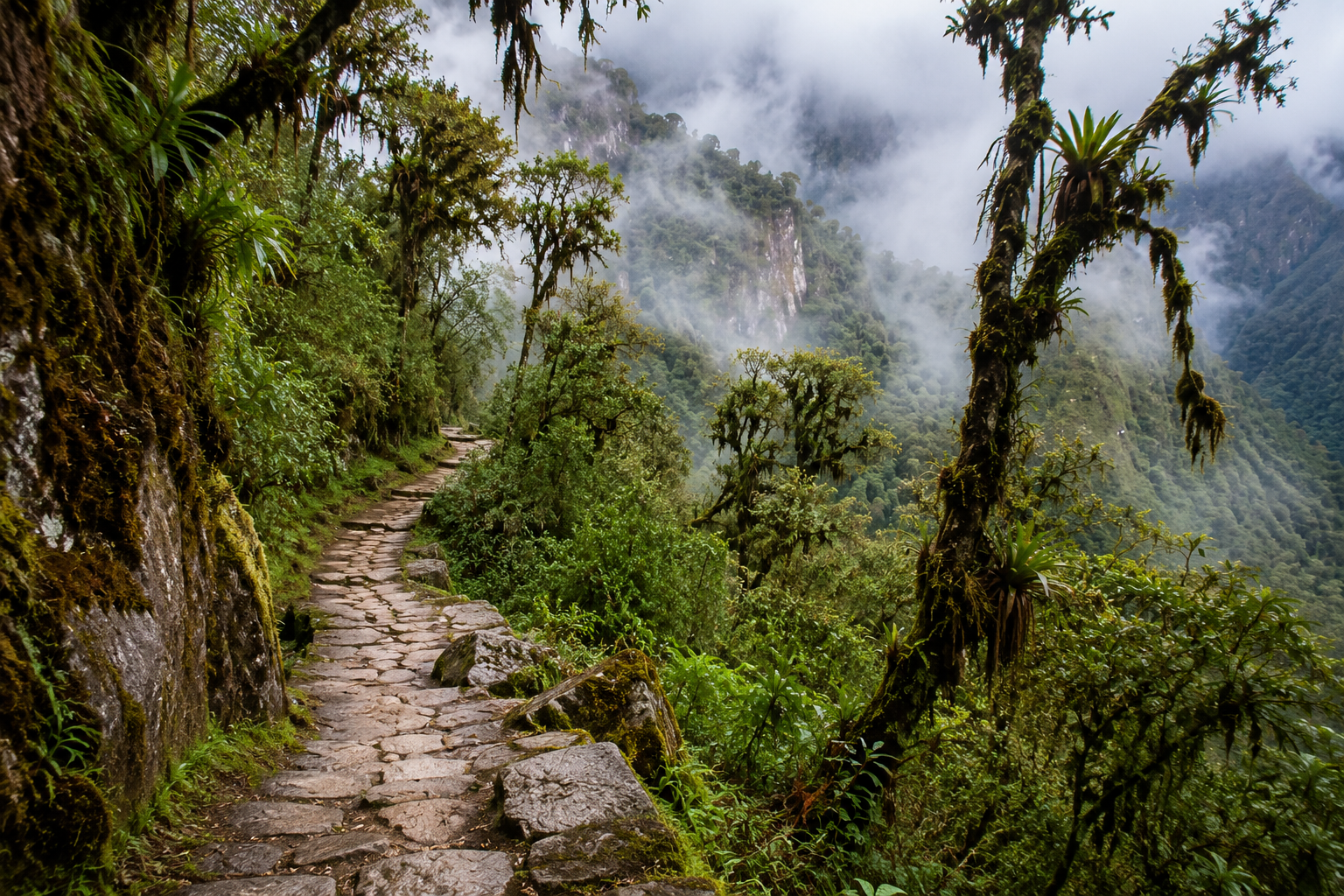
Ancient Inca stone trail maintained through conservation programs.

A Cultural Heritage of Outstanding Universal Value

Built by the Incas more than five centuries ago, the Inca Trail formed part of an extensive road network that connected important administrative, agricultural, and ceremonial centers throughout the Andes.

Along the route, hikers encounter remarkable archaeological sites, including:

  • Wiñay Wayna
  • Runkurakay
  • Sayacmarca
  • Phuyupatamarca
  • Intipata
  • Inti Punku (Sun Gate)

These sites showcase the extraordinary engineering, architecture, and planning skills of the Inca civilization.

Preserving these ancient structures is essential for safeguarding Peru’s cultural identity and sharing its history with the world.

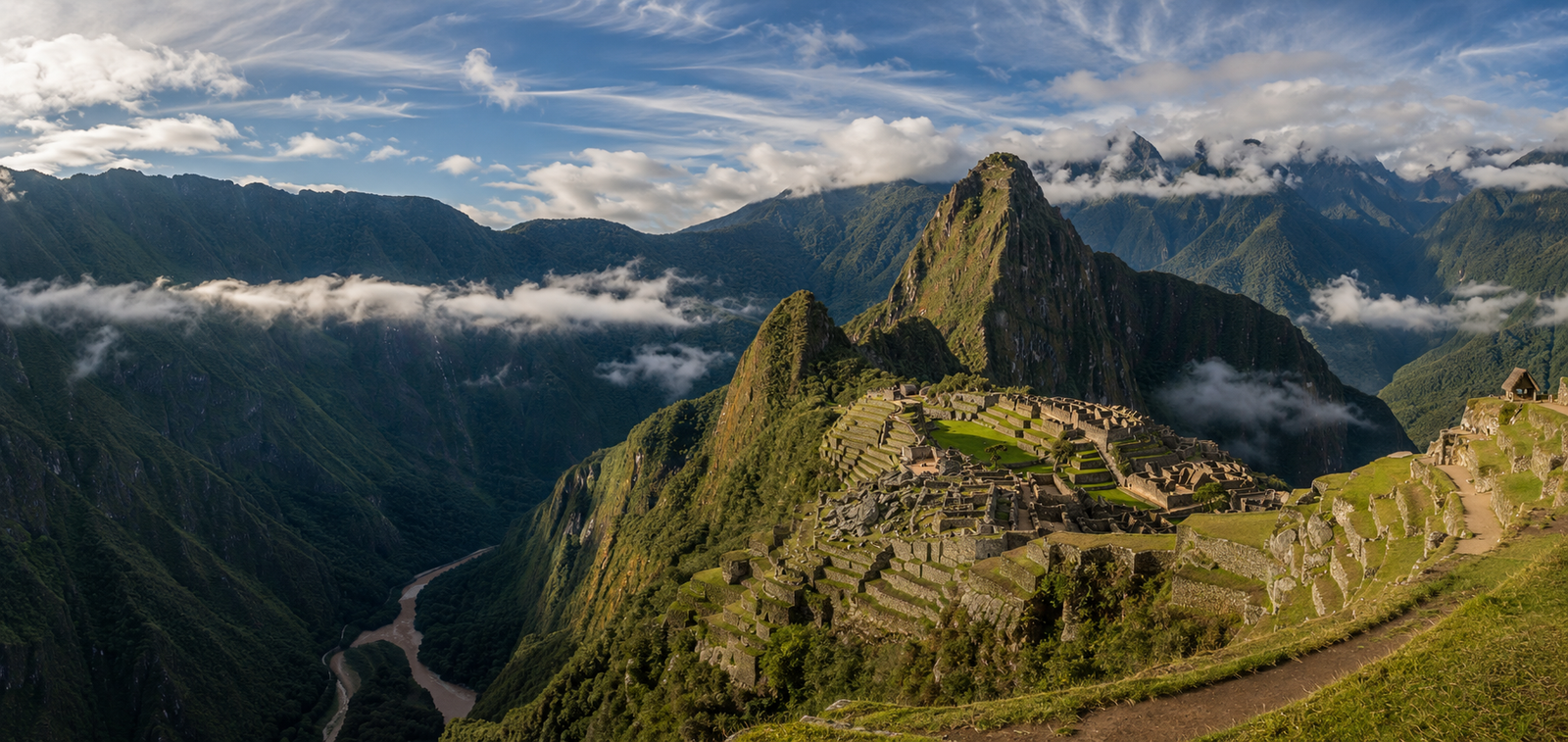
Native wildlife living in protected areas along the Inca Trail.

A Sanctuary of Biodiversity

The Inca Trail passes through a variety of ecological zones, ranging from high Andean environments to lush cloud forests near the Amazon Basin.

This unique transition creates ideal conditions for an extraordinary diversity of plant and animal species.

Remarkable Flora

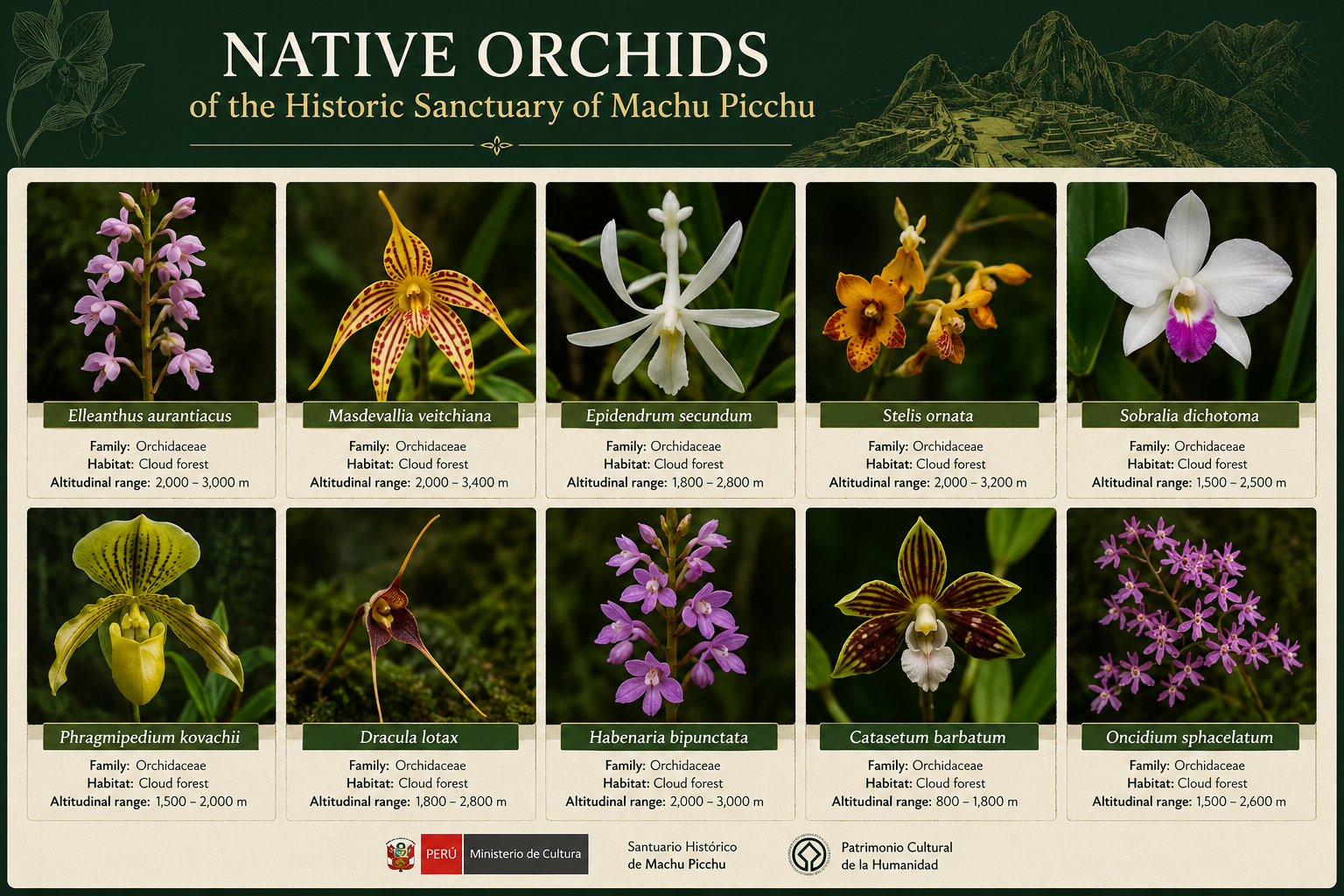
The Historic Sanctuary of Machu Picchu is home to a rich variety of native plants, including:

  • More than 400 species of orchids
  • Bromeliads
  • Giant ferns
  • Queuña forests (Polylepis)
  • Mosses and lichens

Orchids are among the most celebrated plants found along the trail, attracting botanists and nature enthusiasts from around the world.

Wildlife of the Inca Trail

The protected ecosystems surrounding the Inca Trail provide habitat for numerous wildlife species.

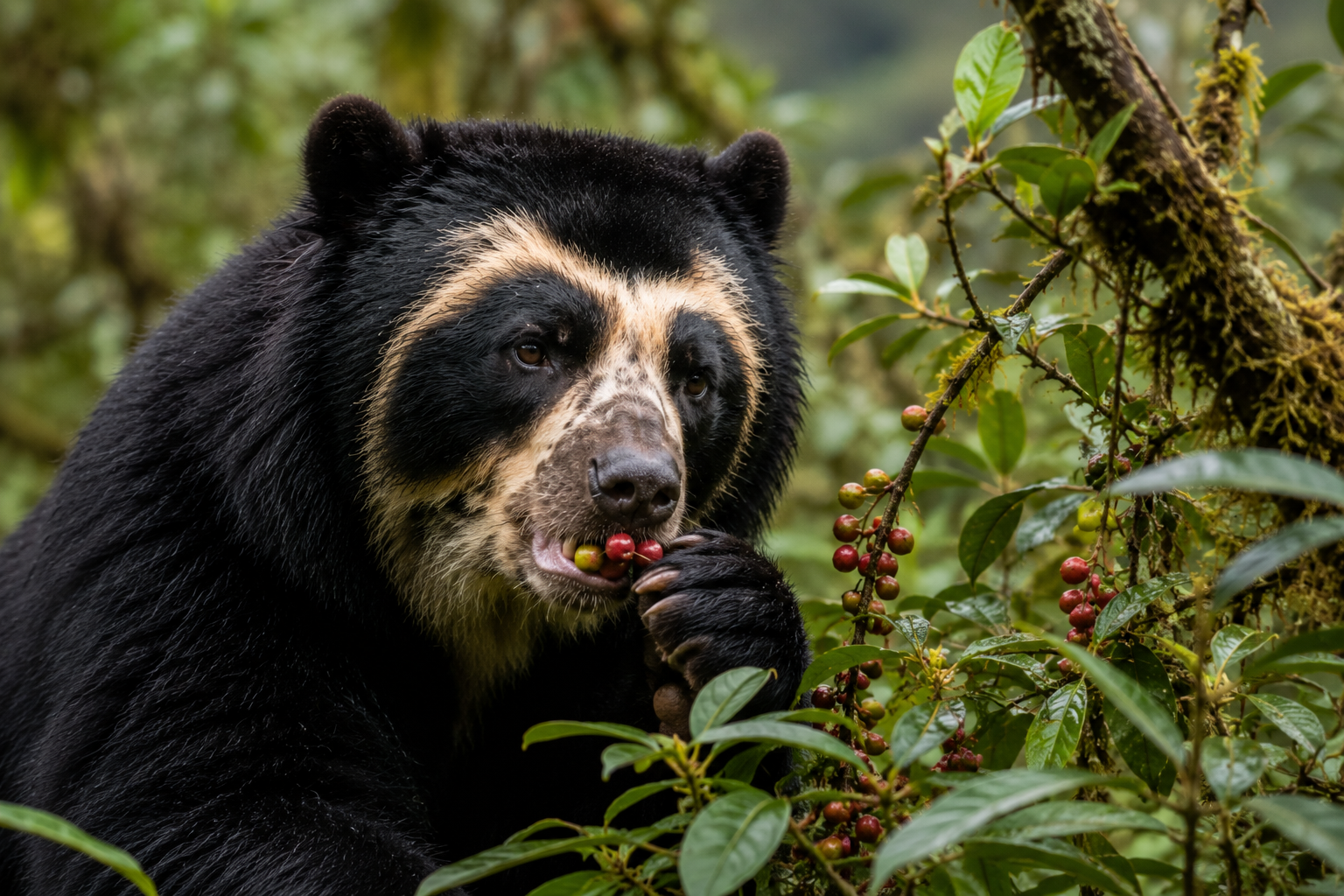
Spectacled Bear

The Spectacled Bear (Tremarctos ornatus) is South America’s only native bear species and one of Peru’s most iconic animals.

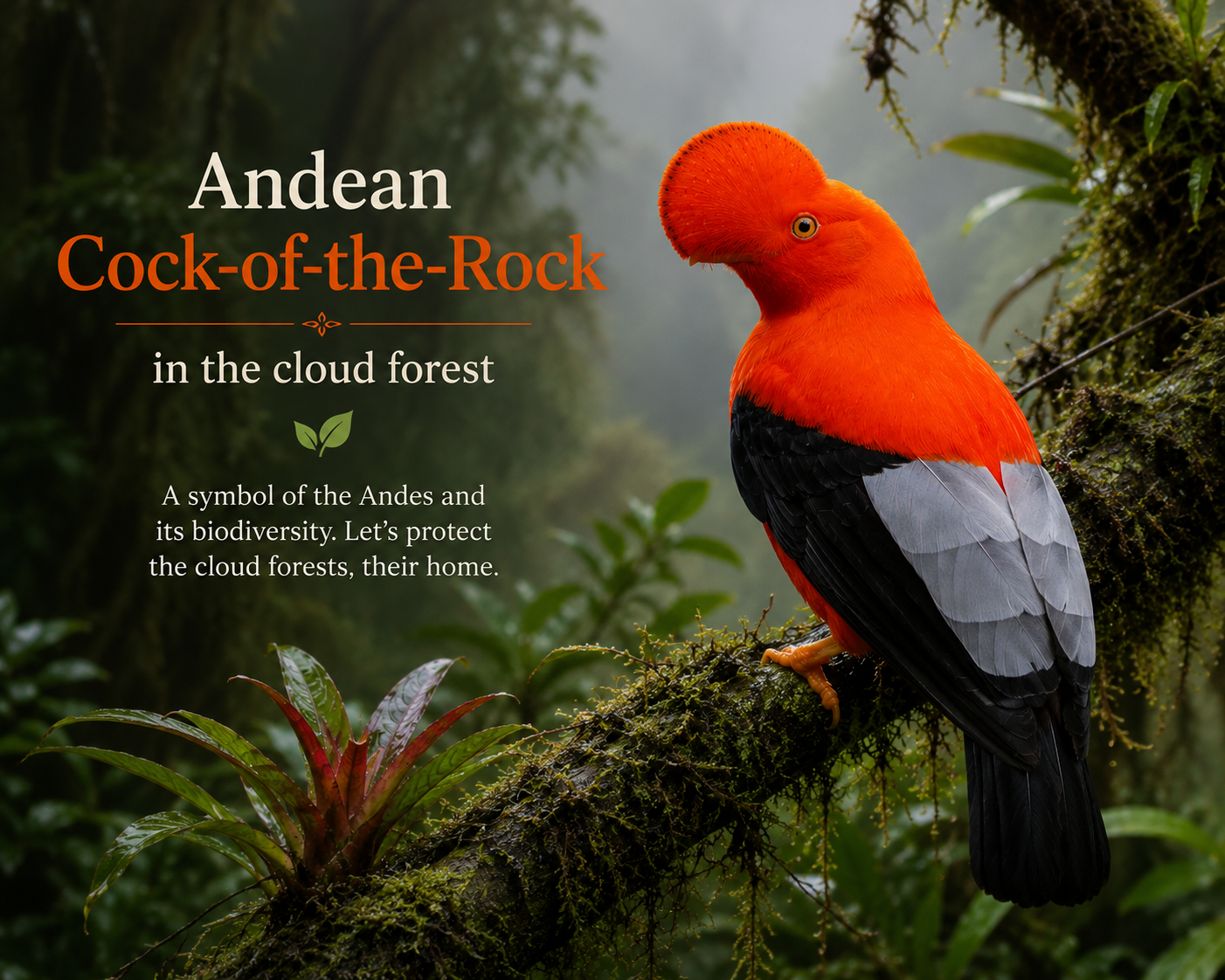
Andean Cock-of-the-Rock

Peru’s national bird is famous for its brilliant orange plumage and fascinating courtship displays.

Andean Condor

One of the largest flying birds in the world, the Andean Condor symbolizes the spirit of the Andes.

Other Wildlife

Visitors may also encounter:

  • Deer
  • Foxes
  • Hummingbirds
  • Butterflies
  • Small Andean mammals

The protection of these species is essential for maintaining the ecological balance of the region.

Challenges Facing Conservation

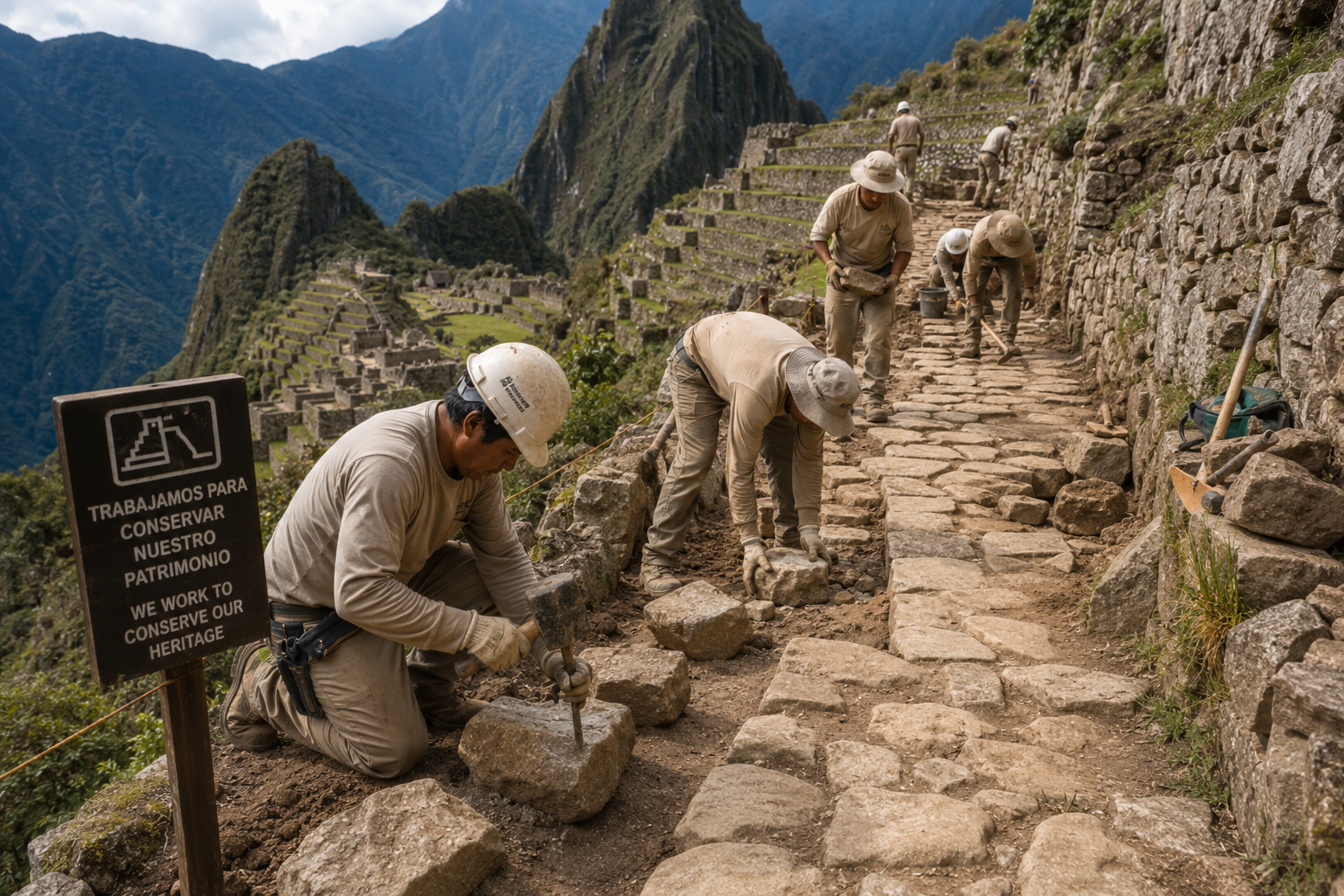
Conservation efforts along the Inca Trail in Peru.

Despite its significance, the Inca Trail faces several conservation challenges.

Tourism Impact

Heavy foot traffic can contribute to:

  • Trail erosion
  • Soil degradation
  • Waste generation
  • Disturbance of wildlife habitats

Climate Change

Changes in temperature and rainfall patterns can affect both natural ecosystems and archaeological structures.

Habitat Fragmentation

Human activities outside protected areas can reduce habitat connectivity for wildlife species.

The Role of SERNANP in Conservation

The National Service of Natural Protected Areas of Peru (SERNANP) plays a crucial role in safeguarding the Historic Sanctuary of Machu Picchu.

Its conservation efforts include:

  • Biodiversity monitoring
  • Wildlife protection
  • Environmental education
  • Sustainable tourism management
  • Trail restoration and maintenance
  • Protection of archaeological sites

These initiatives help maintain a balance between visitor access and long-term conservation.

Protected section of the Inca Trail surrounded by cloud forest vegetation.

Responsible Tourism: A Shared Responsibility

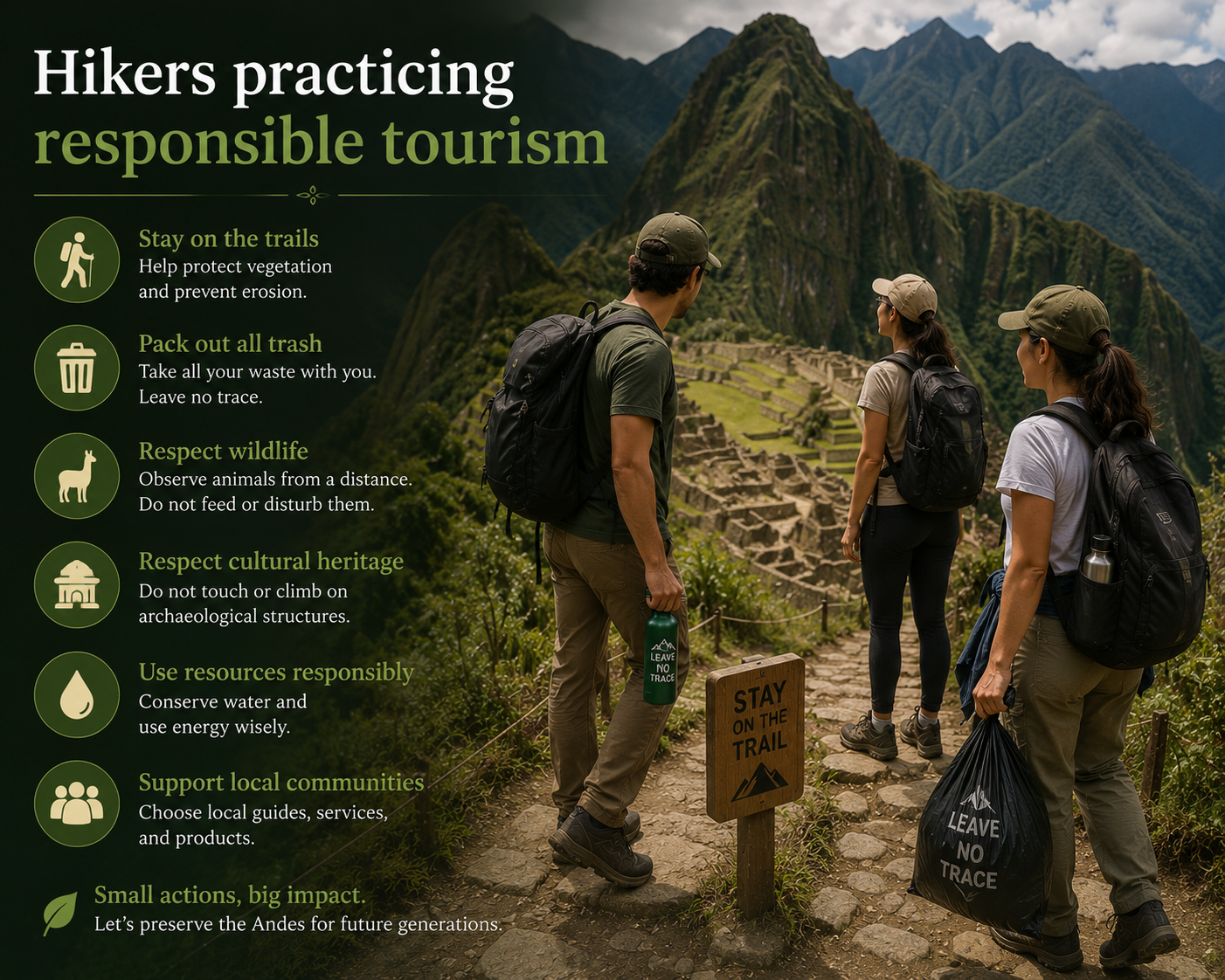
Protecting the Inca Trail requires the participation of everyone who visits it.

Responsible Travel Practices

✔ Stay on designated trails.

✔ Respect archaeological sites.

✔ Never feed wildlife.

✔ Avoid single-use plastics.

✔ Carry out all waste.

✔ Follow park regulations and guidelines.

Small actions by visitors can make a significant difference in preserving this unique heritage site.

Sustainable Inca Trail Conservation

Protecting the Inca Trail for Future Generations

The Inca Trail represents a rare combination of cultural heritage and natural beauty. Its ancient pathways, archaeological monuments, cloud forests, and wildlife form an invaluable legacy that belongs not only to Peru but to the entire world.

Conservation efforts ensure that future generations can continue to experience the history, biodiversity, and breathtaking landscapes that make the Inca Trail one of the world’s most extraordinary trekking routes.

Leave a Reply