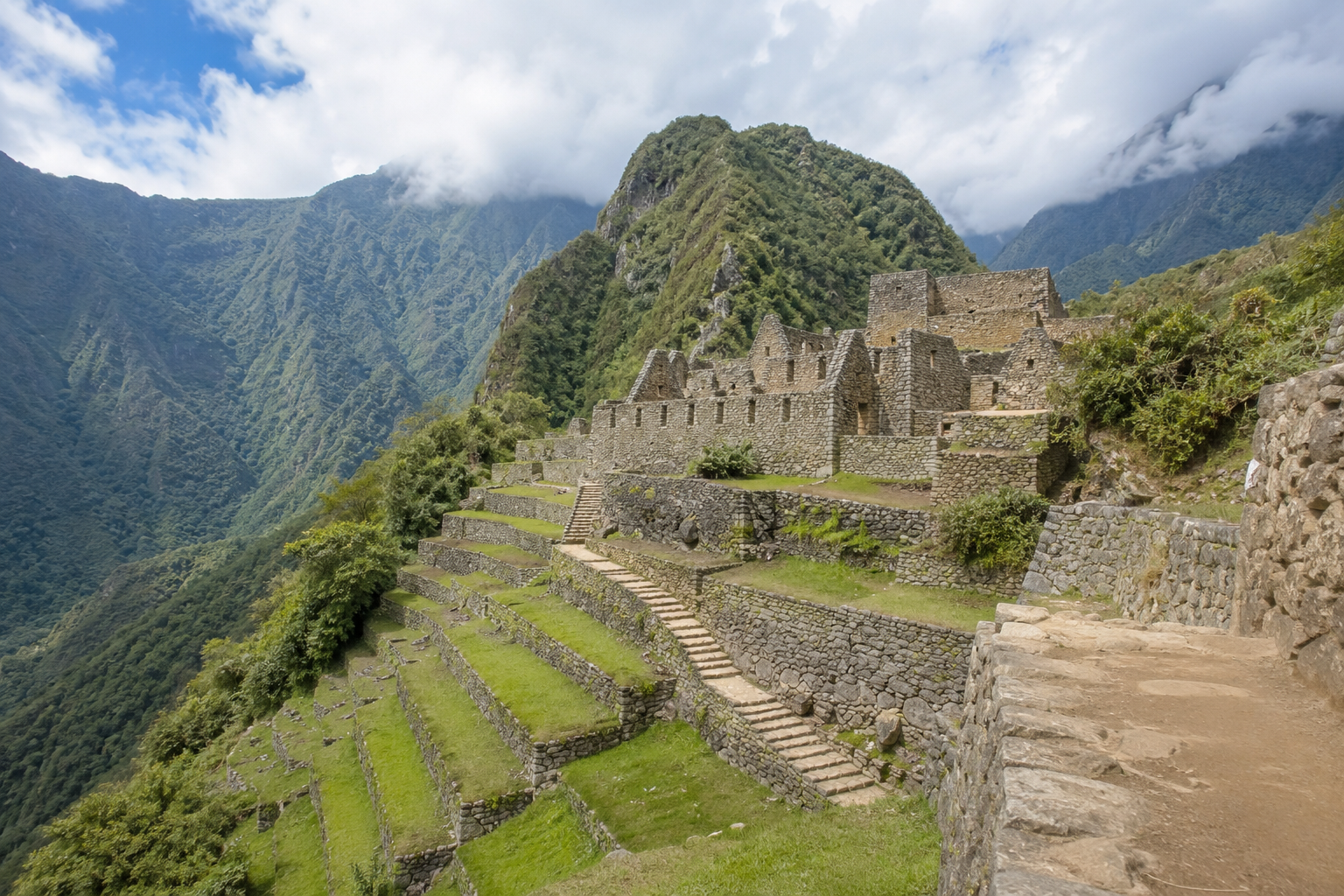
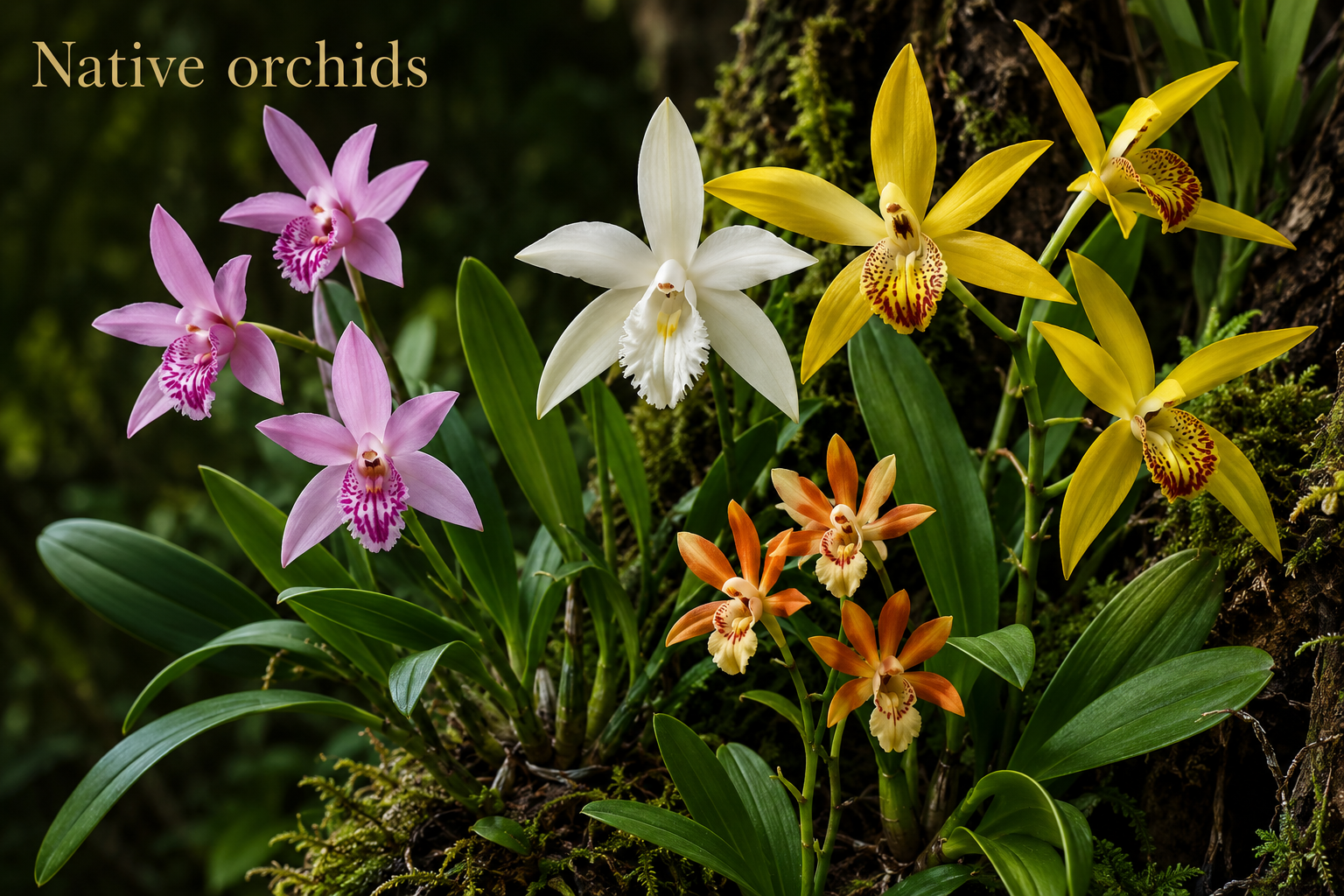
Much of the Inca Trail crosses cloud forests, ecosystems characterized by constant moisture, mist, and lush vegetation.
These forests provide habitat for numerous endemic and threatened species and play a crucial role in maintaining ecological balance.
Iconic Wildlife of the Historic Sanctuary of Machupicchu
Spectacled Bear (Tremarctos ornatus)
The Spectacled Bear is South America’s only native bear species.
- Altitudinal range: 250–4,750 m
- Length: 1.60–1.80 m
- Ecological role: seed disperser and forest regenerator
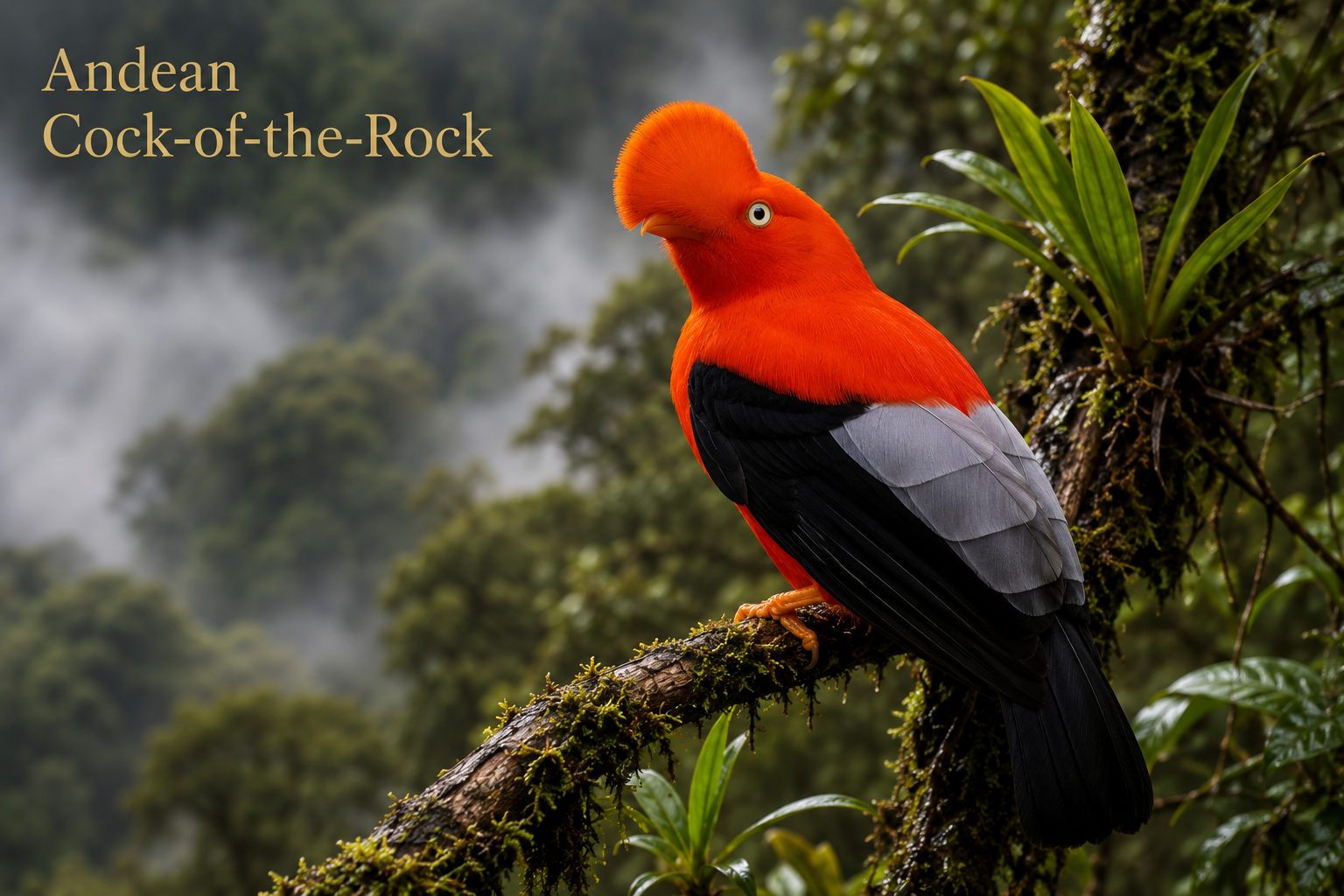
Andean Cock-of-the-Rock (Rupicola peruvianus)
Peru’s national bird is known for its vibrant orange plumage.
- Altitudinal range: 500–2,500 m
- Size: 31–33 cm
- Weight: approximately 220 g
The species plays an important role in seed dispersal throughout Andean forests.
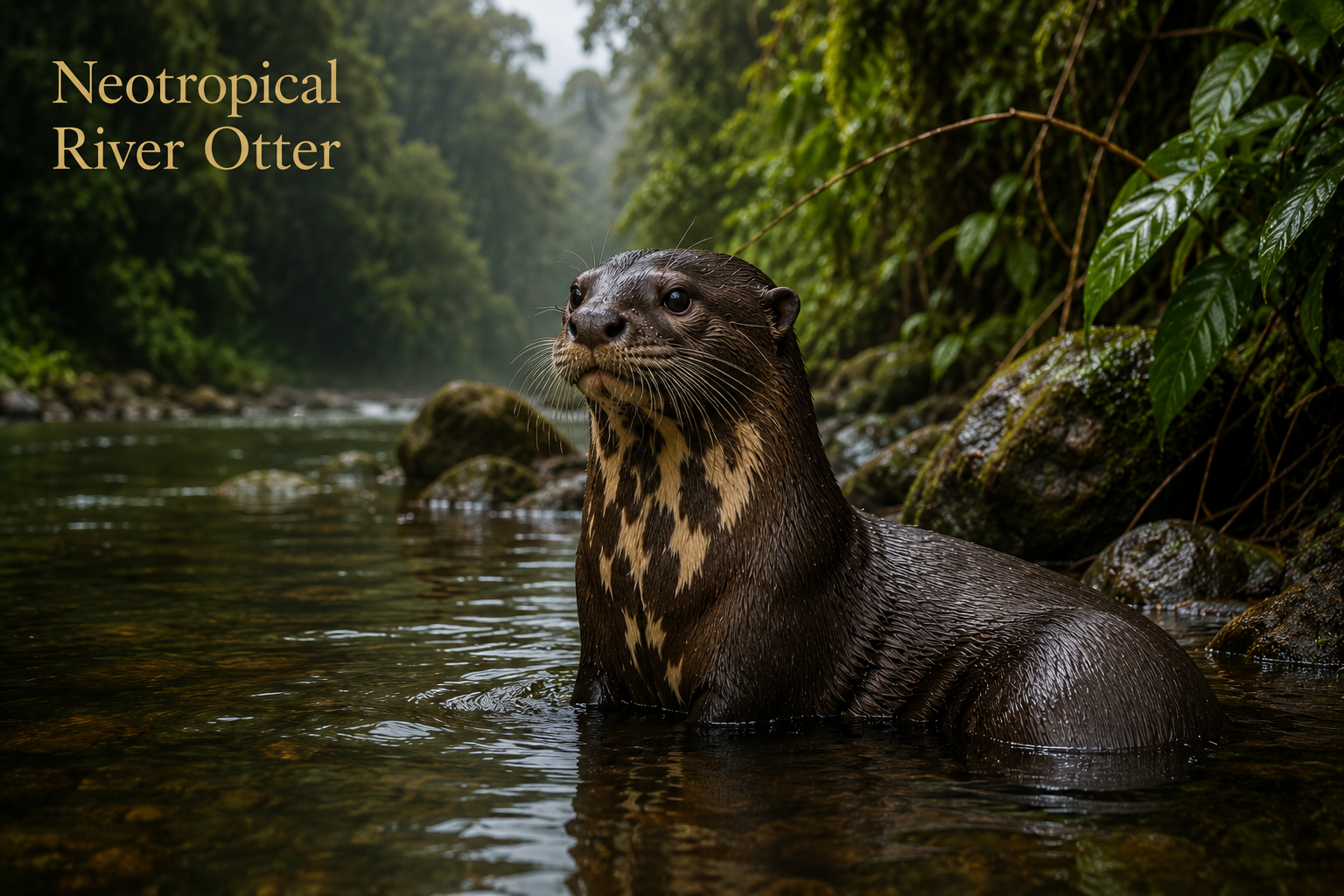
Neotropical River Otter (Lontra longicaudis)
Locally known as Mayu Puma, this species is associated with healthy river ecosystems.
- Altitudinal range: 200–3,000 m
- Length: less than 1.5 m
- Weight: 5–15 kg
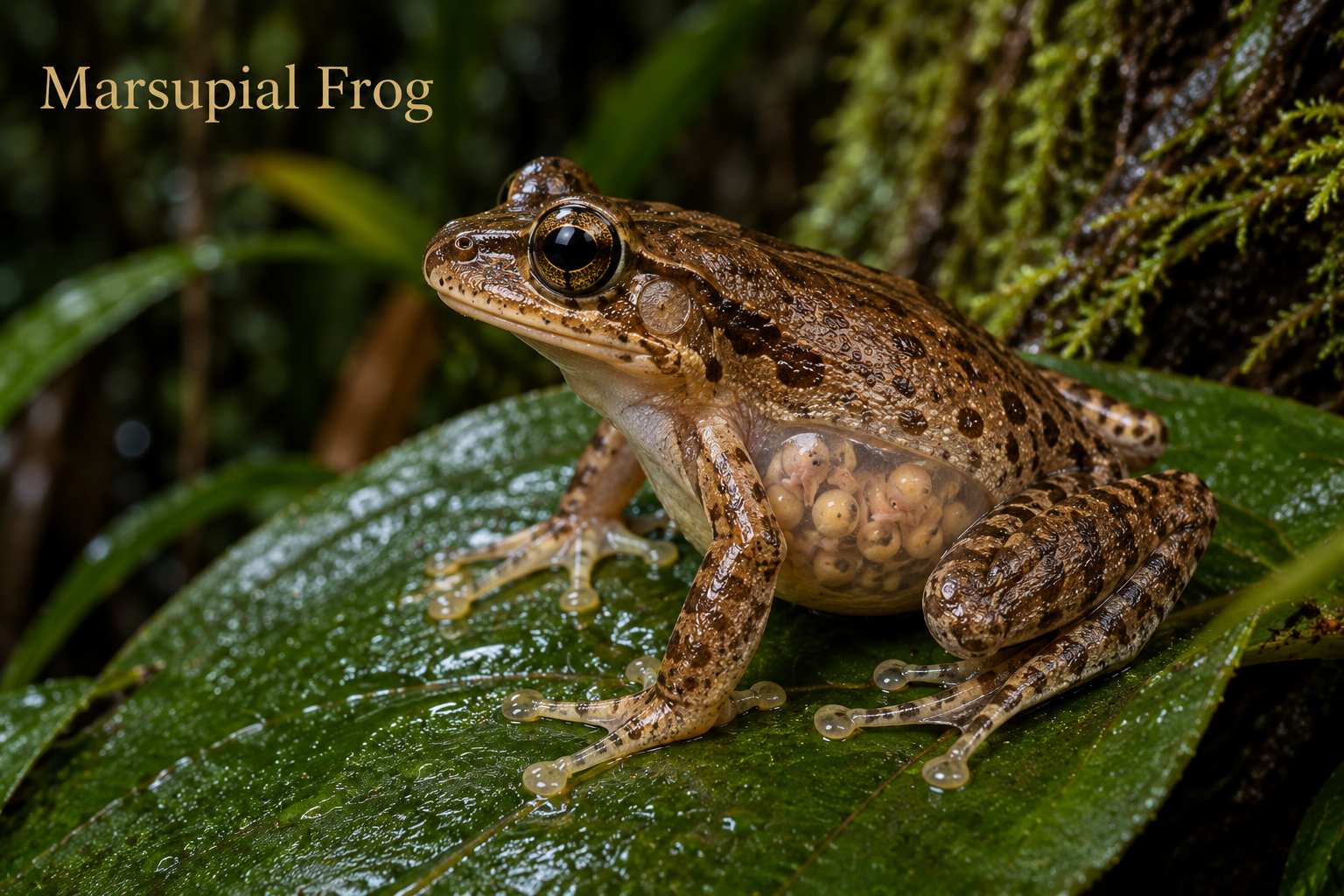
- Chillca Marsupial Frog (Gastrotheca ochoai)
An endemic species from Cusco that lives within terrestrial bromeliads.
- Altitudinal range: 2,760–3,335 m
- Size: 25–35 mm
- Weight: 3.5–7.5 g