Login

Sign Up

After creating an account, you'll be able to track your payment status, track the confirmation and you can also rate the tour after you finished the tour.
Username*
Password*
Confirm Password*
First Name*
Last Name*
Birth Date*
Email*
Phone*
Country*
* Creating an account means you're okay with our Terms of Service and Privacy Statement.
Please agree to all the terms and conditions before proceeding to the next step

Already a member?

Login
+51 941411442 info@andesperuexpeditions.com

Login

Sign Up

After creating an account, you'll be able to track your payment status, track the confirmation and you can also rate the tour after you finished the tour.
Username*
Password*
Confirm Password*
First Name*
Last Name*
Birth Date*
Email*
Phone*
Country*
* Creating an account means you're okay with our Terms of Service and Privacy Statement.
Please agree to all the terms and conditions before proceeding to the next step

Already a member?

Login

Inca Trail Routes: Exploring Nature and Heritage in Peru

Inca Trail Routes: Exploring Nature and Heritage in Peru

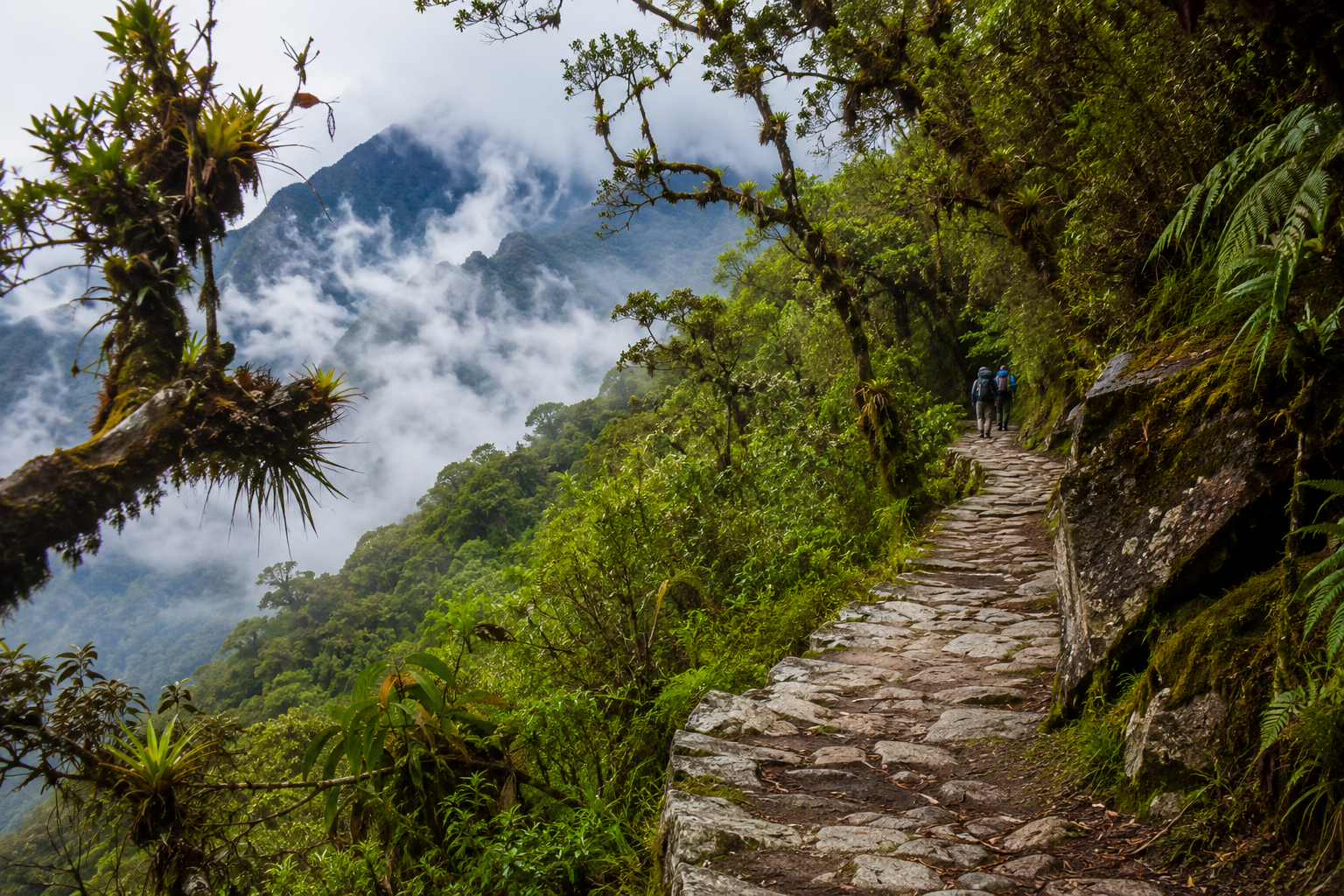
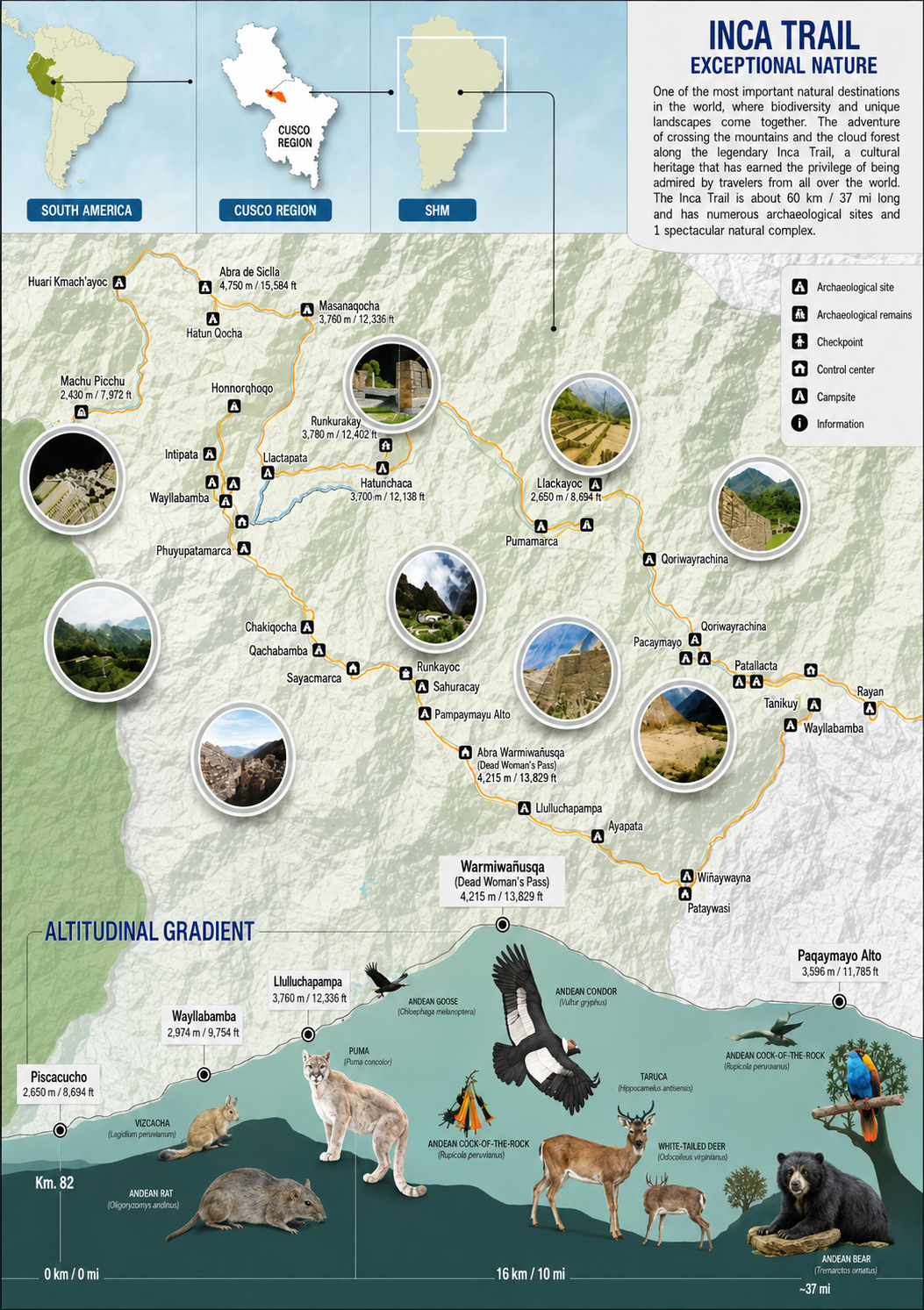
The Inca Trail is far more than a trekking route to Machu Picchu. It is part of the extraordinary Inca Road Network (Qhapaq Ñan), a system of ancient paths that connected vast regions of the Inca Empire and today offers travelers an unforgettable journey through history, culture, and nature.

Located within the Historic Sanctuary of Machu Picchu, the Inca Trail crosses spectacular landscapes, cloud forests, high Andean ecosystems, archaeological sites, and habitats that shelter hundreds of plant and animal species.

For hikers, every step along the trail is an opportunity to discover one of the most remarkable cultural and natural treasures in the world.

The Inca Trail: A Journey Through History and Nature

Recognized as one of the world’s most iconic trekking destinations, the Inca Trail combines breathtaking scenery with an unparalleled cultural legacy.

The trail follows ancient stone paths built by the Incas centuries ago and leads travelers through mountains, valleys, cloud forests, and archaeological complexes before arriving at the legendary Machu Picchu.

What makes the Inca Trail truly exceptional is its ability to connect visitors with both the natural and cultural heritage of Peru in a single journey.

An Extraordinary Protected Area

The Inca Trail lies within the Historic Sanctuary of Machu Picchu, a protected area established in 1981 and recognized by UNESCO as a World Heritage Site.

This sanctuary protects:

  • More than 60 archaeological complexes.
  • 12 ecological systems.
  • Cloud forests and Andean ecosystems.
  • Unique flora and fauna.
  • Ancient Inca infrastructure.

The area represents one of the most important examples of the harmony between human engineering and nature.

Biodiversity Along the Inca Trail

One of the greatest surprises for visitors is the incredible biodiversity found along the route.

The sanctuary hosts:

Wildlife

  • 87 species of mammals
  • 447 species of birds
  • 17 species of amphibians
  • 22 species of reptiles
  • 13 species of fish
  • Hundreds of butterfly species

Among the most iconic animals are:

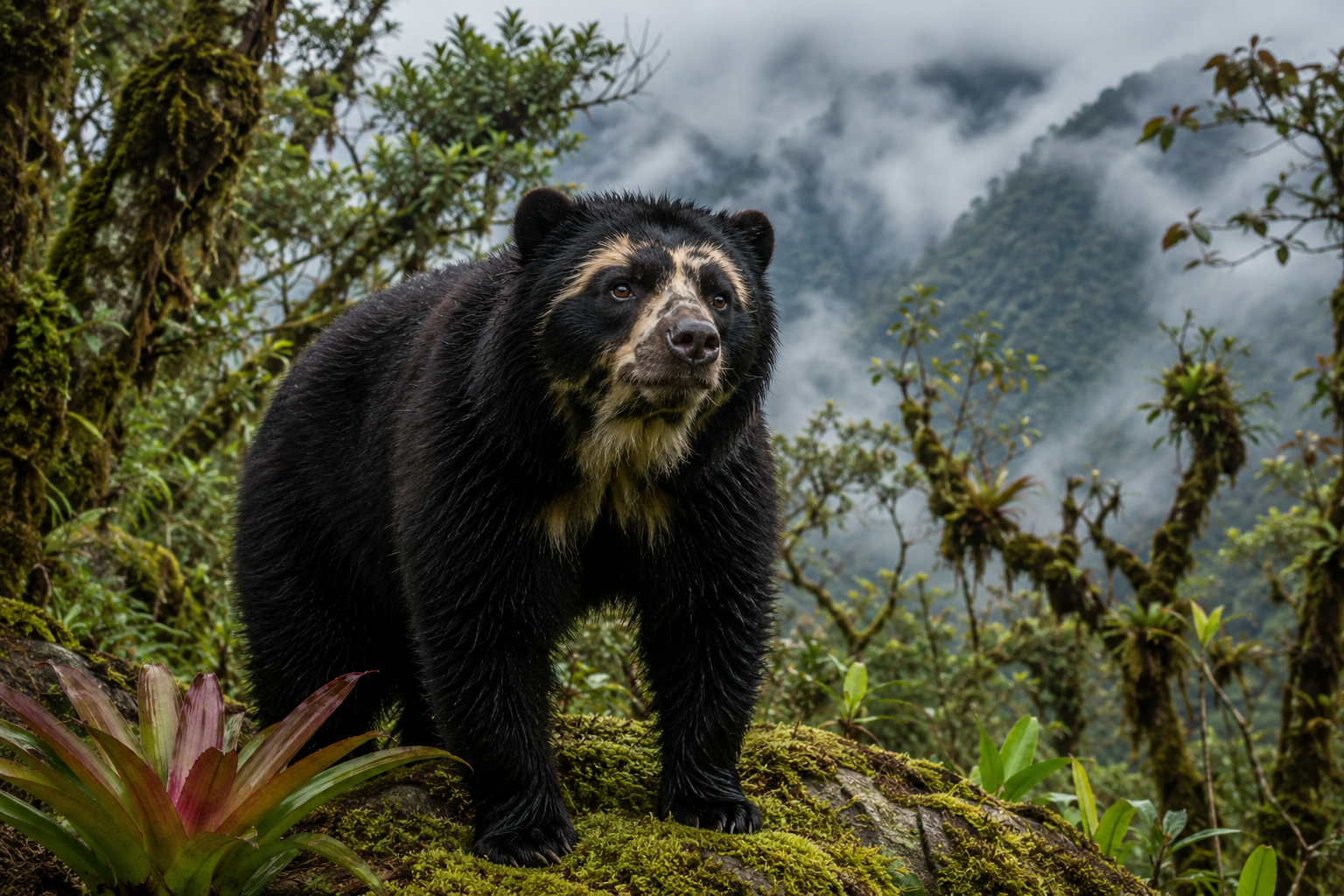
Spectacled Bear (Tremarctos ornatus)

The only bear species native to South America and one of the flagship species of the sanctuary.

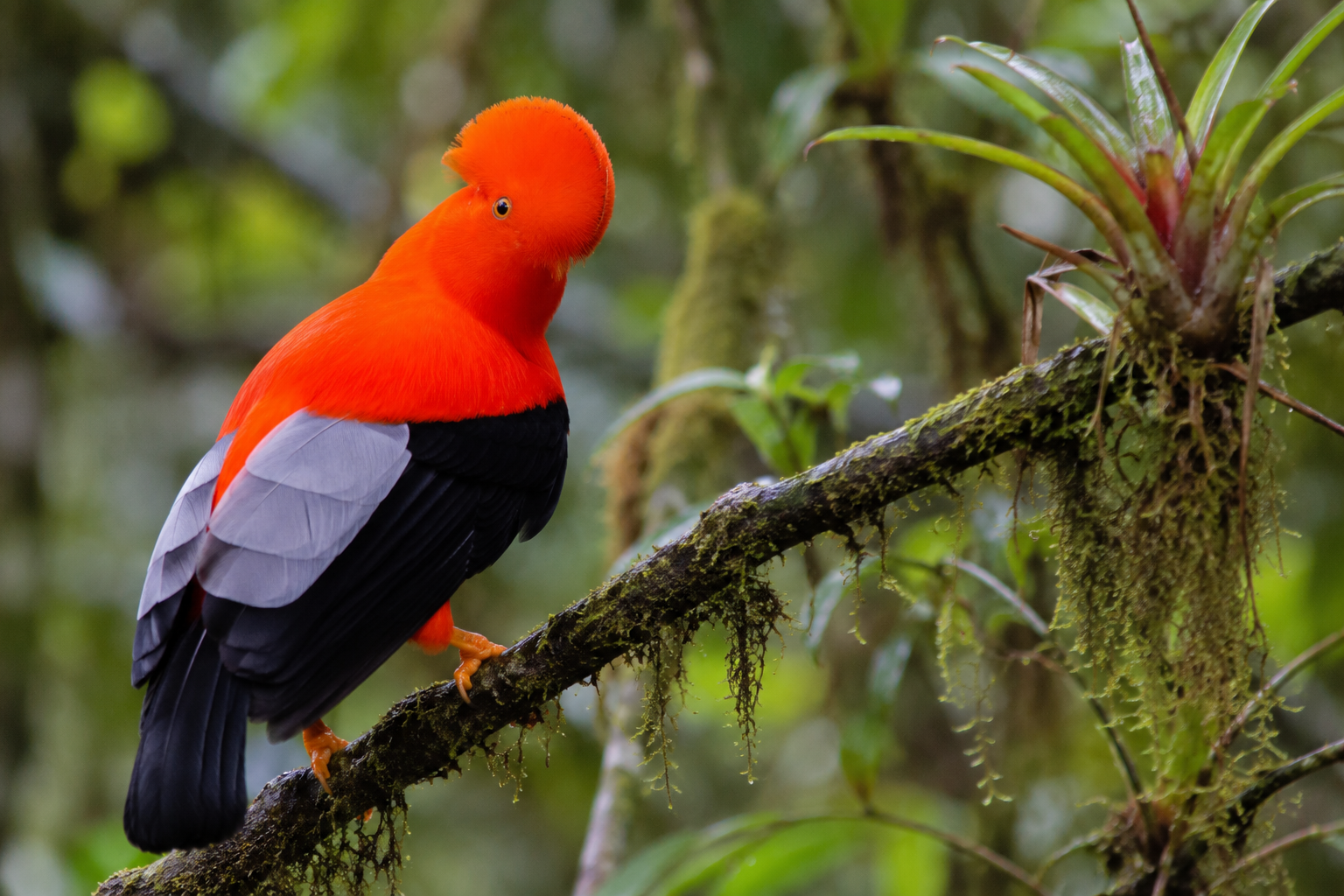
Andean Cock-of-the-Rock (Rupicola peruvianus)

Peru’s national bird, famous for its vibrant orange plumage.

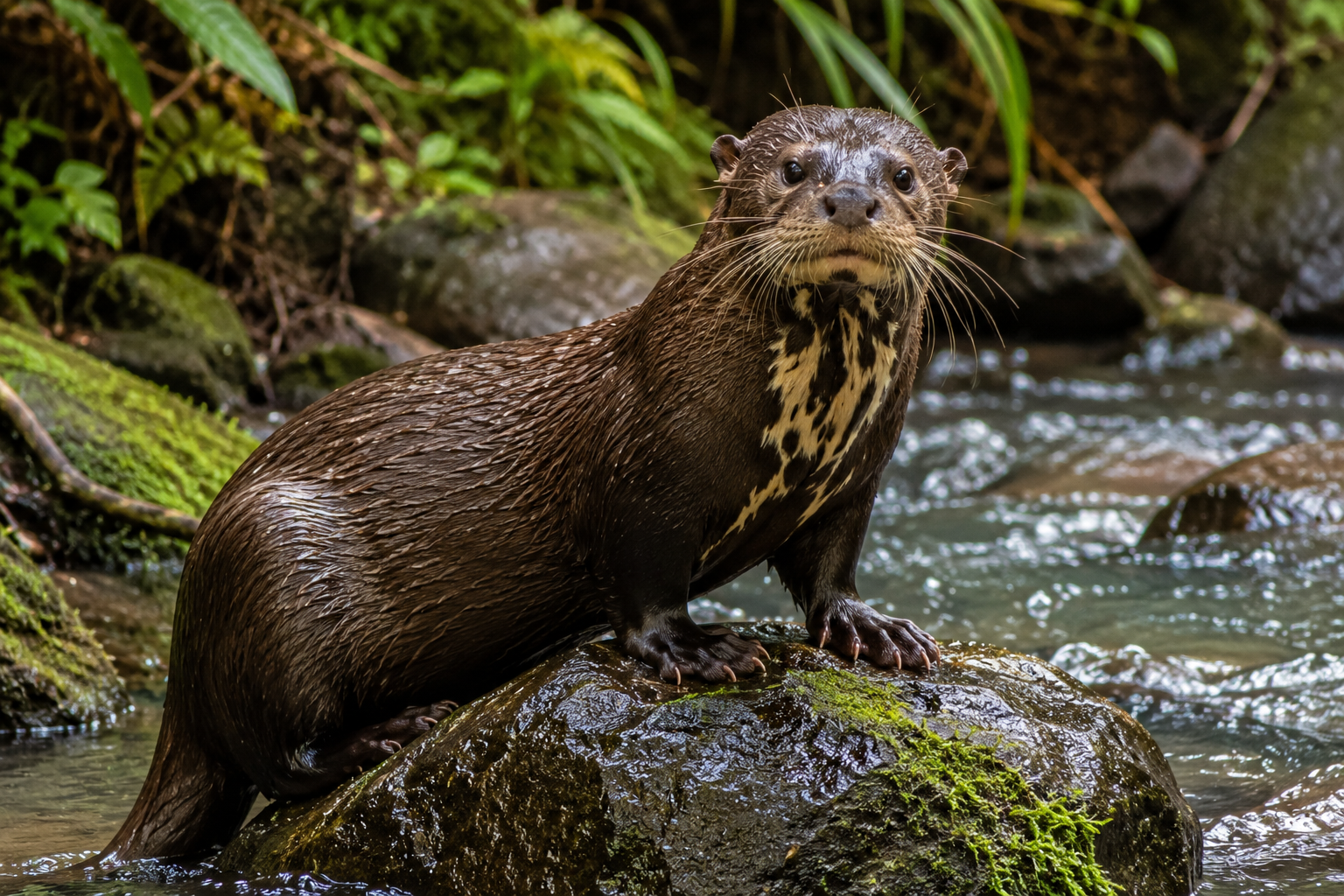
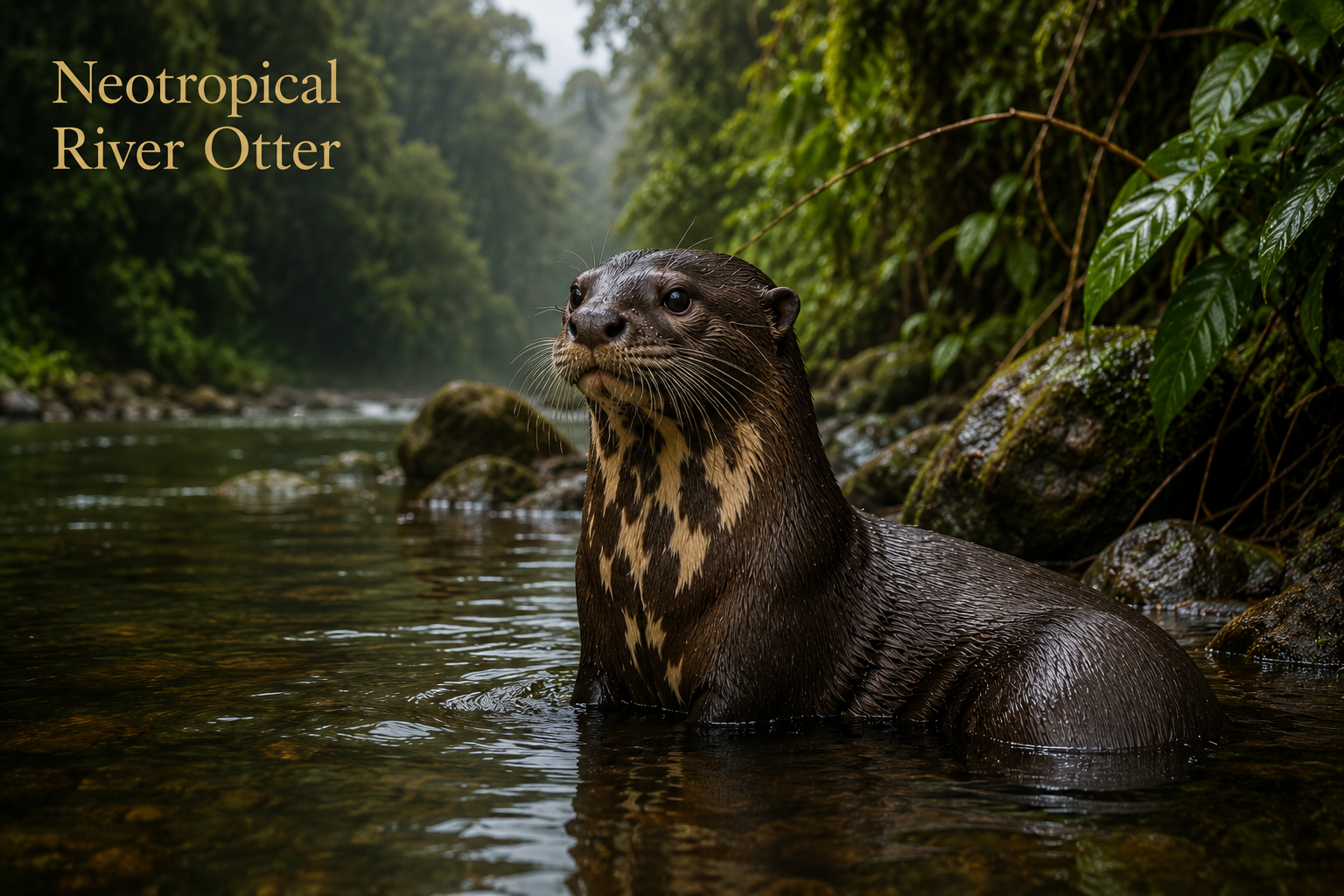
Neotropical River Otter (Lontra longicaudis)

An important indicator of healthy freshwater ecosystems.

Torrent Duck (Merganetta armata)

A remarkable bird adapted to fast-flowing Andean rivers.

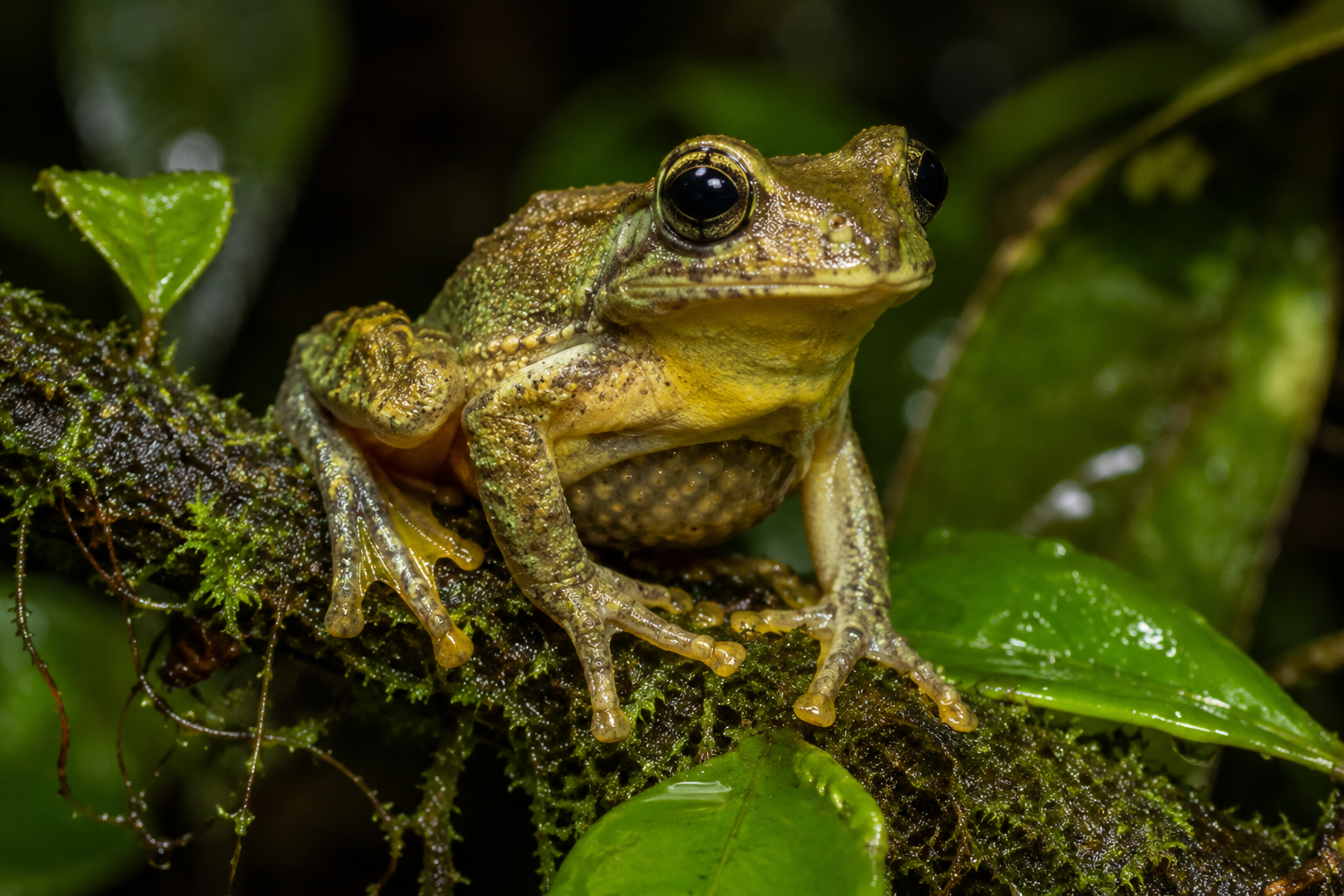
Marsupial Frog (Gastrotheca ochoai)

An endemic amphibian that inhabits the cloud forests of the region.

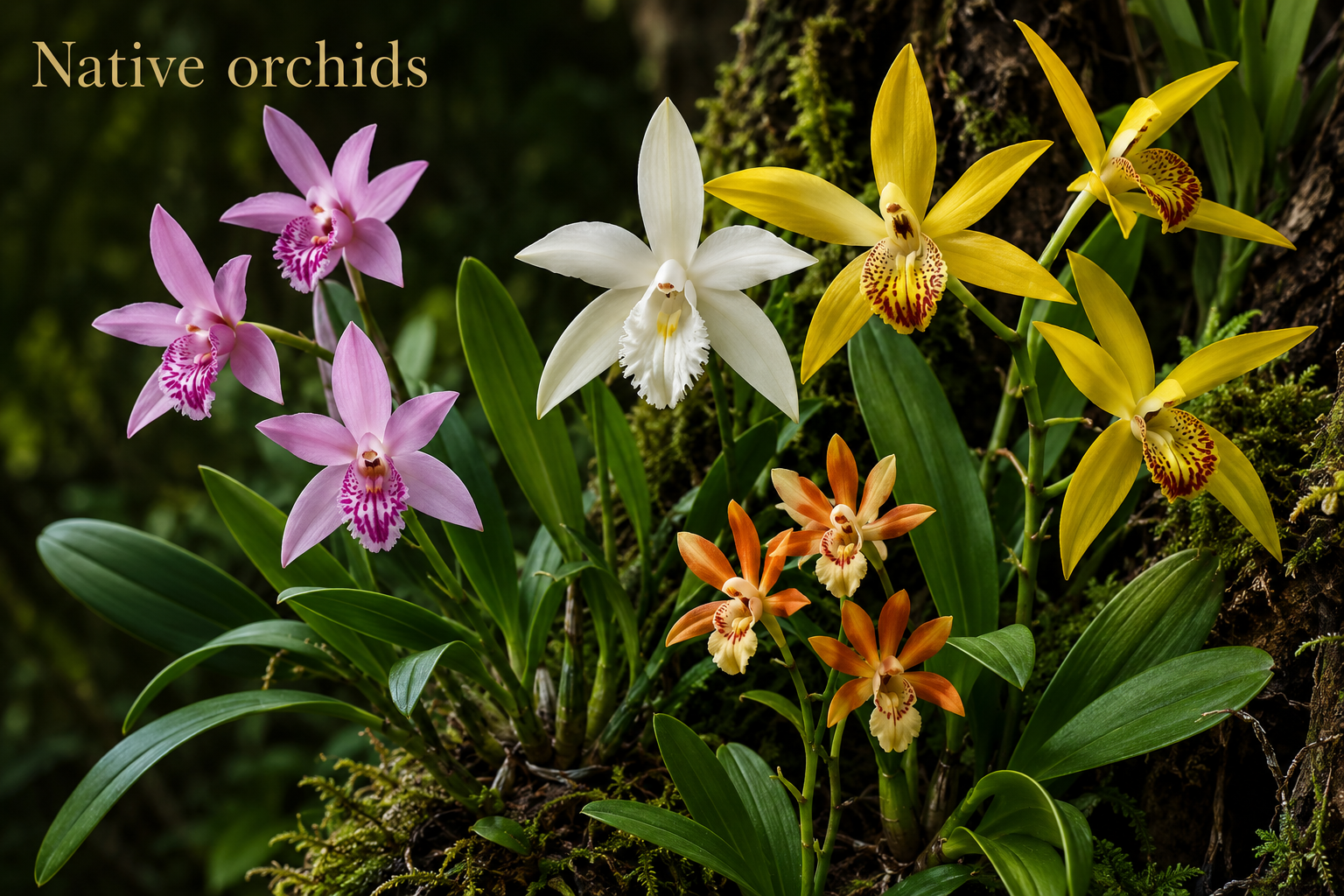
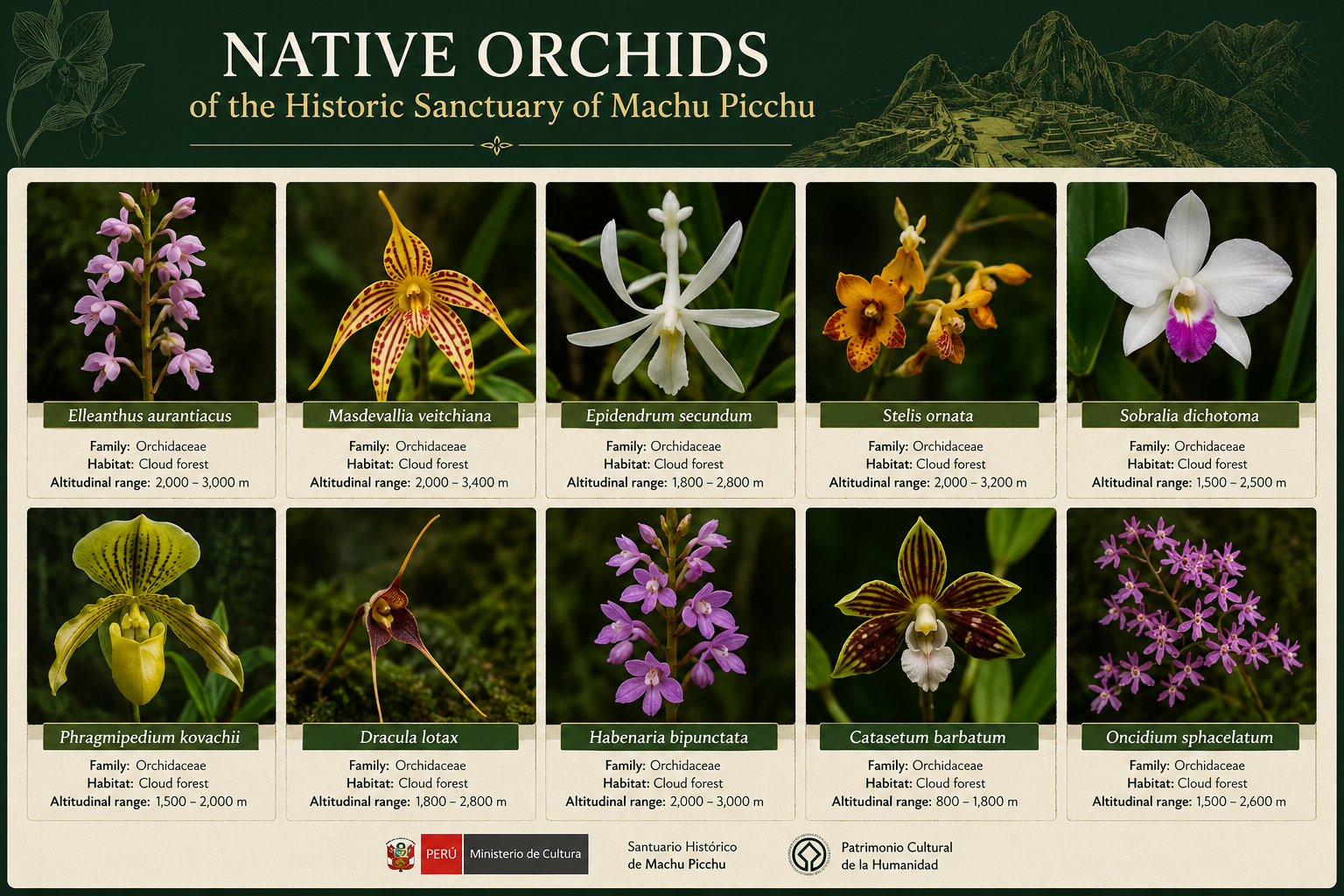
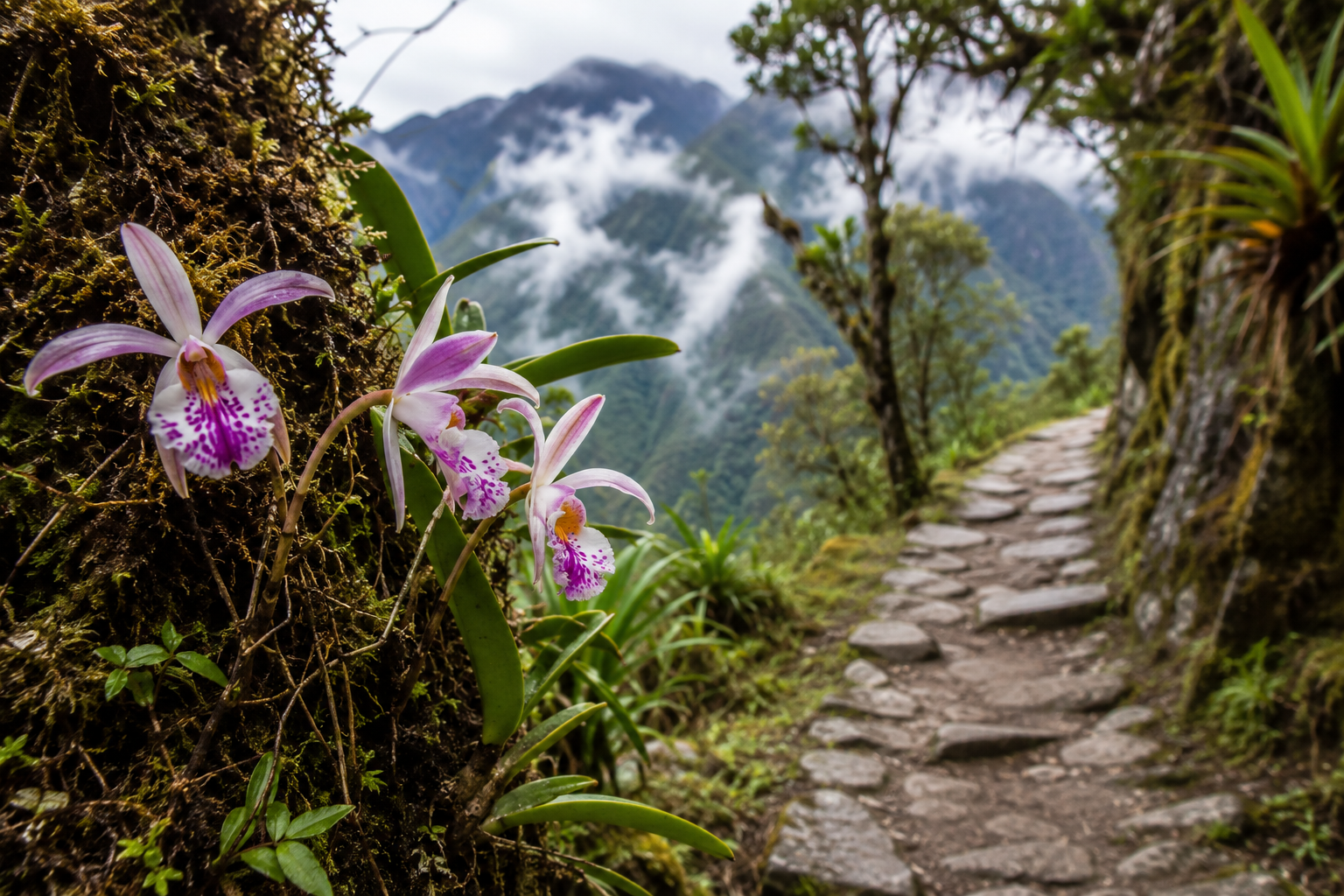
A Paradise of Orchids and Cloud Forests

The Historic Sanctuary of Machu Picchu is internationally recognized for its botanical richness.

Visitors may encounter:

  • Native orchids
  • Ferns
  • Bromeliads
  • Andean trees
  • Medicinal plants used since Inca times

The sanctuary protects more than 2,300 plant species, making it one of Peru’s most important biodiversity hotspots.

The Six Official Inca Trail Routes

The Inca Road Network within the sanctuary includes several authorized trekking routes.

Route 1 – Classic Inca Trail (4 Days / 3 Nights)

The world’s most famous trekking route.

Highlights:

  • Km 82
  • Wayllabamba
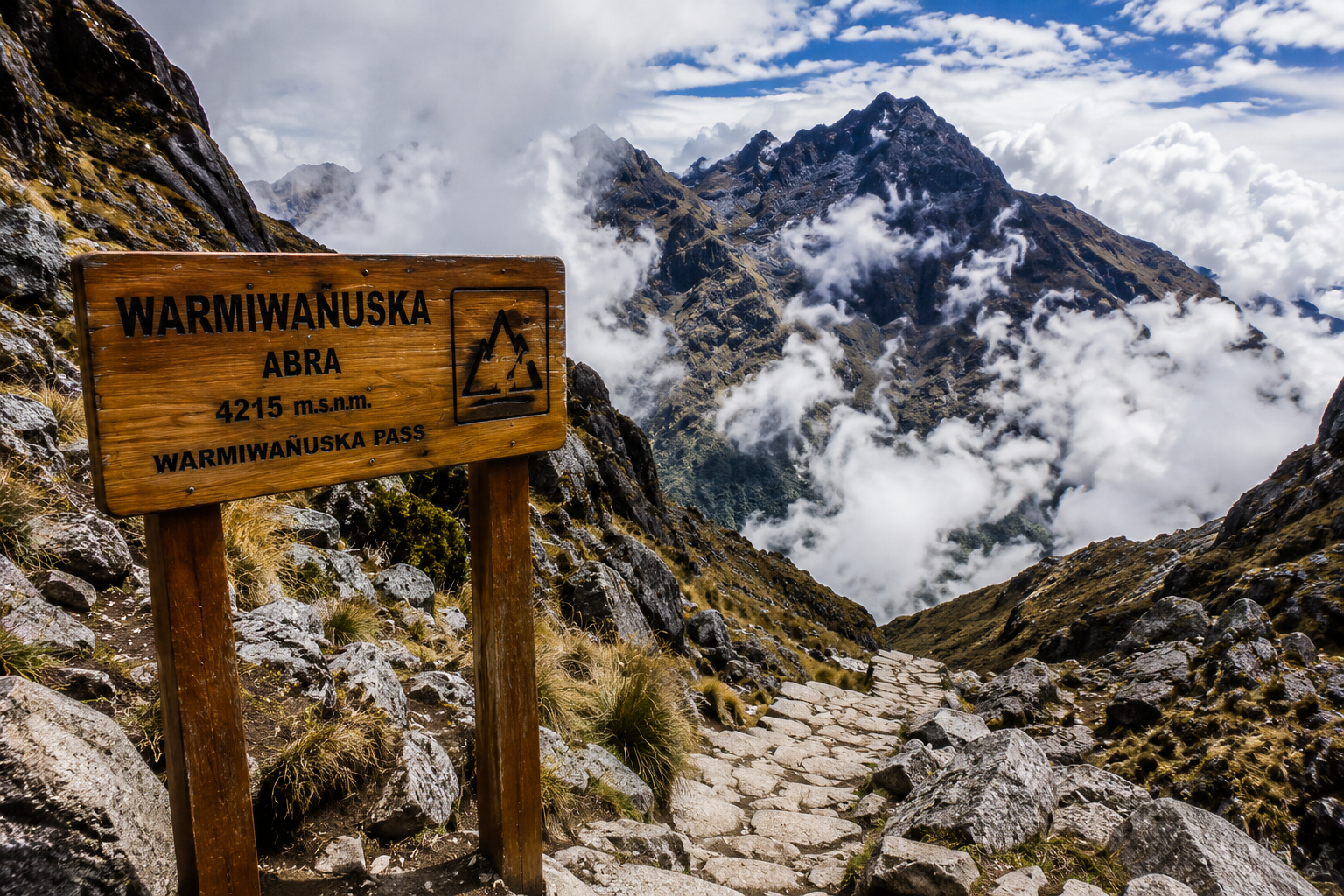
  • Warmiwañusca (Dead Woman’s Pass)
  • Runkurakay
  • Phuyupatamarca
  • Wiñay Wayna
  • Inti Punku
  • Machu Picchu

Route 2 (4 Days / 3 Nights)

An alternative route beginning at Km 88 and ending in Machu Picchu.

Route 3 (5 Days / 4 Nights)

Combines the Salkantay region with the Classic Inca Trail.

Route 4 (3 Days / 2 Nights)

A less-traveled route offering unique archaeological and natural attractions.

Route 5 (2 Days)

The famous Short Inca Trail through Wiñay Wayna to Machu Picchu.

Route 6 (4 Days / 3 Nights)

An alternative route connecting the Salkantay area with the traditional Inca Trail network.

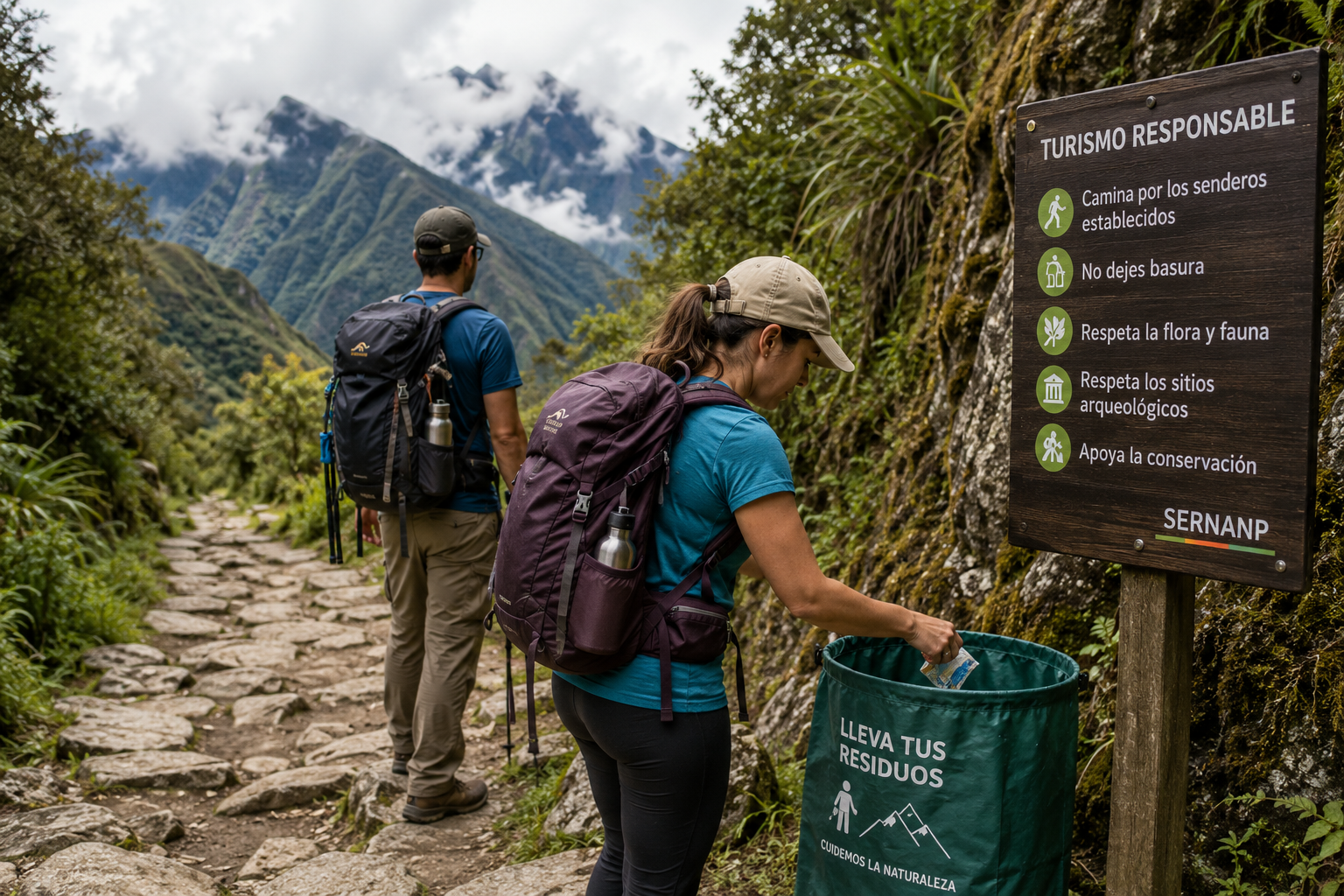
Responsible Tourism on the Inca Trail

Conservation is essential to preserving this unique destination.

Visitors are encouraged to:

✓ Stay on designated trails

✓ Respect archaeological sites

✓ Follow park ranger instructions

✓ Carry reusable water bottles

✓ Dispose of waste responsibly

✓ Respect wildlife and vegetation

✓ Travel with authorized guides and operators

Responsible tourism helps protect the sanctuary for future generations.

Best Time to Visit

The Historic Sanctuary of Machu Picchu can be visited throughout the year thanks to its diverse microclimates.

Dry Season (May–September)

Ideal for trekking:

  • Clear skies
  • Better mountain views
  • Cooler temperatures

Rainy Season (November–March)

Characterized by:

  • Lush vegetation
  • Frequent rainfall
  • Fewer visitors

Every February, sections of the Inca Trail close temporarily for maintenance and conservation work.

Climate Along the Inca Trail

The route crosses multiple ecological zones.

Lower Elevations

  • Temperate and humid climate
  • Temperatures between 12°C and 24°C

High Andean Areas

  • Dry and cold climate
  • Temperatures between 6°C and 13°C
  • Elevations reaching over 4,000 meters

This diversity creates the perfect environment for the sanctuary’s extraordinary biodiversity.

Why Conservation Matters

The Inca Trail is not only an archaeological masterpiece but also a living ecosystem.

Protecting its forests, wildlife, waterways, and archaeological monuments ensures that future generations can continue experiencing one of the world’s most extraordinary trekking routes.

Every visitor plays a role in safeguarding this priceless natural and cultural heritage.

Leave a Reply